
 EN
EN
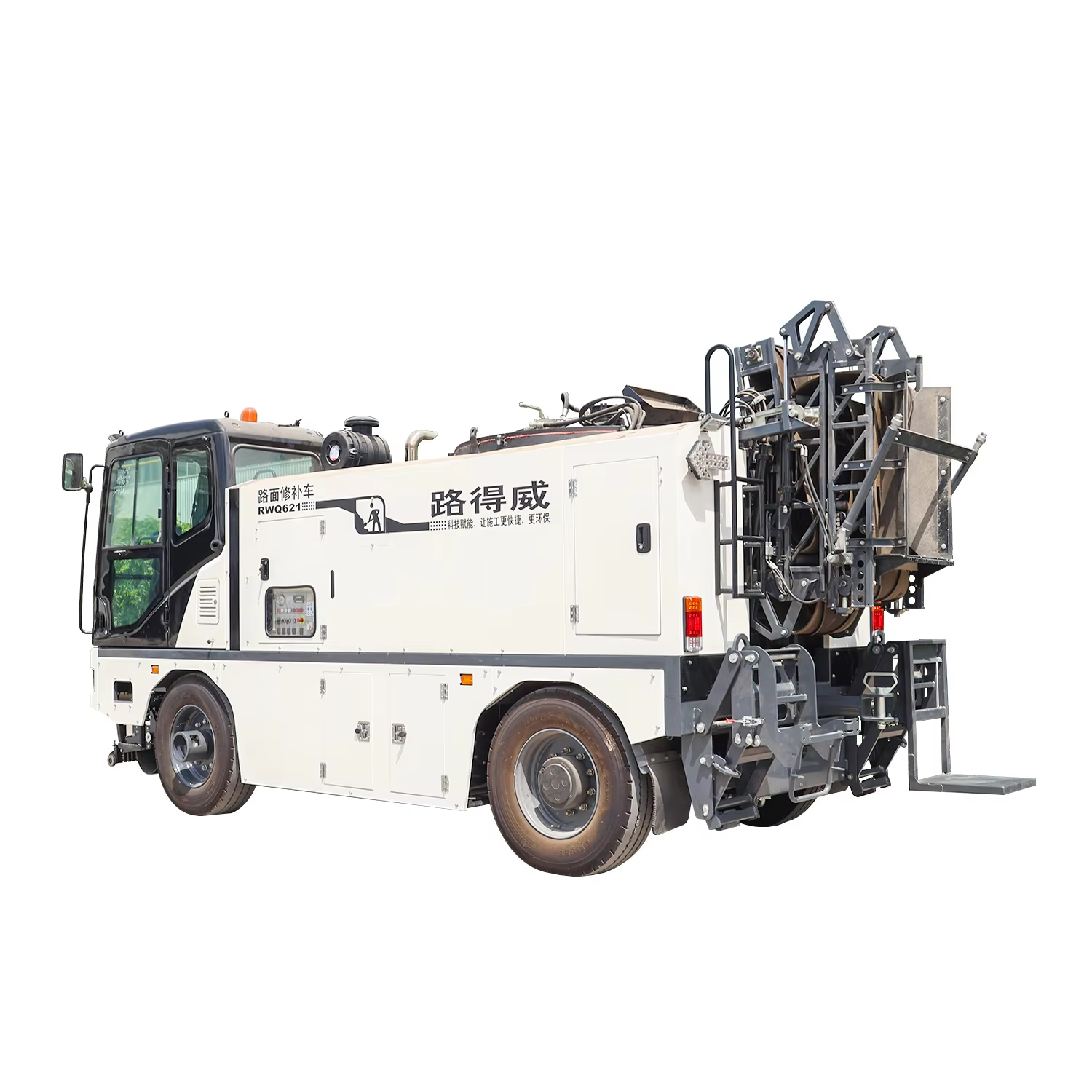
Spray Injection Pothole Patcher: High-Performance, Equipment-Dependent Repair
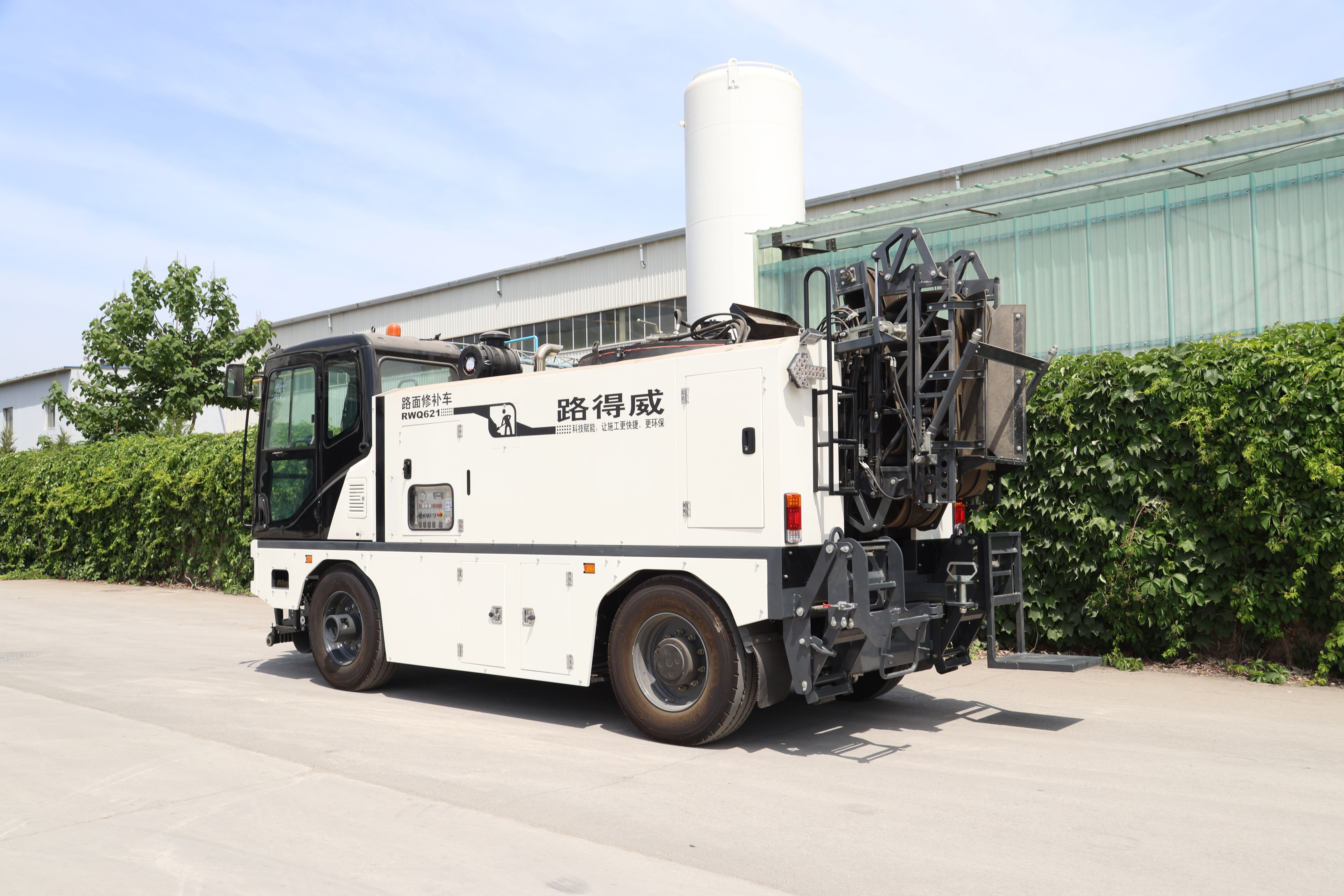
How Spray Injection Technology Delivers Precision and Bond Integrity
With spray injection technology, hot asphalt emulsion gets mixed with aggregate while being blasted through nozzles at high pressure. This process cleans out the pothole and coats all sides at once, making for faster repairs on busy roads. What makes this technique effective is how it bonds thoroughly around every surface inside the hole, working well even when there are rough spots or tiny cracks running through the pavement. When applied properly, the material forms a solid barrier against water getting in from above ground level. Water intrusion remains a big problem for most road patches because it leads to early failures. According to several independent tests done in real world conditions, this approach cuts down on repeat repairs by roughly two thirds over a period of about two years when compared with old fashioned hand methods.
Lifecycle Value: 5-Year Durability and 70% Labor Savings vs. Manual Methods
According to the FHWA's latest field performance report from 2023, cities that implement spray injection techniques generally see their road repairs lasting around five years in areas with average weather conditions. The reason? Better material packing and those strong chemical bonds that just don't break down like they do with quick fix approaches. When it comes to actual operations, what used to take four workers doing things manually can now be handled by just one person who knows what they're doing. That cuts labor costs by about 70%, which is pretty impressive. Sure, getting started requires an investment between $120,000 and $180,000 for the equipment upfront. But when looking at the big picture over a decade, municipalities actually spend 35% less money overall per mile repaired because there are far fewer times they need to come back and fix things again, plus the roads themselves tend to last longer than traditional methods.
Throw-and-Go Pothole Patcher: Rapid Response for Temporary & Low-Traffic Repairs
Cold Patch Chemistry and Application Best Practices
Cold patch asphalt relies on polymer-modified binders engineered for flexibility and adhesion at low temperatures—enabling effective repairs down to -10°C (14°F). Success hinges on disciplined installation:
- Surface Preparation: Clear loose debris and standing water to expose sound substrate
- Layer Placement: Fill in 2-inch lifts to eliminate air pockets and ensure uniform density
- Compaction: Achieve ≥95% density using vibratory plate compactors—essential for load transfer
- Edge Sealing: Apply tack coat along the perimeter to prevent lateral water intrusion
No curing time is required; traffic can resume within 15 minutes per repair.
Real-World Performance: 6–12 Month Lifespan in Temperate Conditions
According to field reports from the FHWA's 2023 performance check, cold patch materials generally work as good temporary fixes for about six to twelve months in normal weather regions, but only if applied correctly according to the guidelines. The real story though? How long they last depends a lot on where they're used. We've seen patches fail at around 40% within three months on busy roads that get over five thousand vehicles a day, compared to much better results of about 12% failures in quieter residential neighborhoods. When dealing with winter emergencies or fixing up those seldom-used service roads where getting something done quickly matters more than lasting forever, cold patch still makes sense as a quick fix solution until proper repairs can be made later on.
Comparative Decision Framework: Matching Pothole Patcher Types to Operational Needs
Key Selection Criteria: Traffic Volume, Climate, Budget, and Crew Capacity
When choosing the right patcher for road repairs, there are basically four things that need consideration together. First up, traffic volume plays a big role in what kind of durability we need. For busy roads with over 20,000 vehicles per day, spray injection works best because it creates this strong chemical bond that lasts longer. But if the road only sees about 1,000 cars daily or less, cold patch materials tend to be sufficient and cost effective. Then there's weather to think about. Places where temperatures freeze and thaw repeatedly really benefit from either polymer modified cold patches that can bounce back after expansion or spray applied products that handle temperature changes better. Money matters too. While spray systems cost more initially, they save money in the long run since they don't need frequent applications. Cold patch might seem cheaper at first glance, but those savings disappear quickly when factoring in all the extra trips needed for reapplication. Lastly, how many people are available makes a difference. Spray equipment needs two folks who know what they're doing plus special gear, while cold patch allows small teams to get the job done fast without much training or preparation time. Cities that follow standard maintenance protocols have found something interesting happening too - when they match these factors correctly with their patching options, projects finish on schedule around 37% more often according to reports from municipal fleet managers across the country.
Total Cost of Ownership Analysis: Upfront Investment vs. Long-Term Maintenance Reduction
The real worth of road repair options becomes clear when looking at their total cost over time rather than just what they cost upfront. Take spray injection systems, which typically range from about $120,000 to $180,000. These can save around $28,000 each year on labor costs for departments handling over 50 lane miles worth of roads. They last roughly five years between patches and require less traffic control during maintenance work. On the flip side, those quick fix solutions that cost between $15,000 and $40,000 initially tend to rack up around $65,000 in combined materials and labor expenses over five years in most temperate regions according to Federal Highway Administration data. This happens because they need applying twice a year. When potholes come back covering more than 35% of the repaired area every year, the break even point for spray injection comes within just 18 months. And there are environmental perks too like fewer emissions and less need for lane closures, making these higher performance repairs worth considering whenever traffic volume and available funds permit.
FAQ
What is spray injection technology used for pothole repair?
Spray injection technology uses hot asphalt emulsion mixed with aggregate, blasted through nozzles at high pressure to clean and coat potholes. This method ensures strong bonding and reduces water intrusion, enhancing repair durability.
How long do spray injection repairs typically last?
Spray injection repairs typically last around five years in areas with average weather conditions, according to the FHWA's performance reports.
What are the main benefits of cold patch asphalt repairs?
Cold patch asphalt repairs offer rapid response and are suitable for temporary fixes, especially in low-traffic or emergency situations. They are flexible, adhere well at low temperatures, and allow for quick resumption of traffic.
How do I choose between spray injection and cold patch techniques?
Consider factors like traffic volume, climate, budget, and crew capacity. Spray injection suits high-traffic areas with its durability, while cold patches are cost-effective for less busy roads.
What is the total cost of ownership for these repair methods?
Upfront, spray injection systems are costlier but offer long-term savings by reducing frequency of repairs. Cold patch methods have lower initial costs but may incur higher expenses over time due to repeated applications.