
 EN
EN
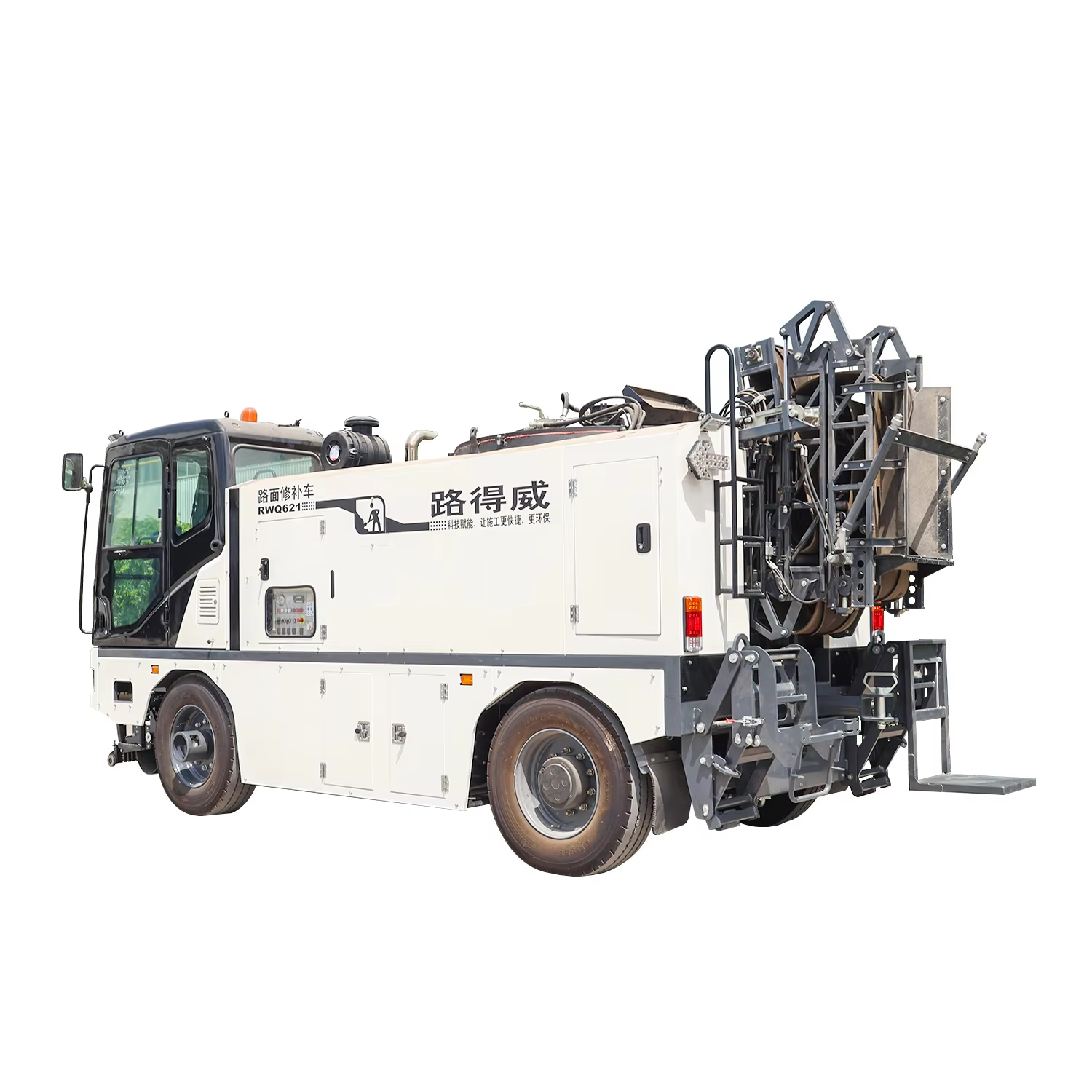
Faster, Smarter Repairs: Efficiency Gains with Automated Pothole Patchers
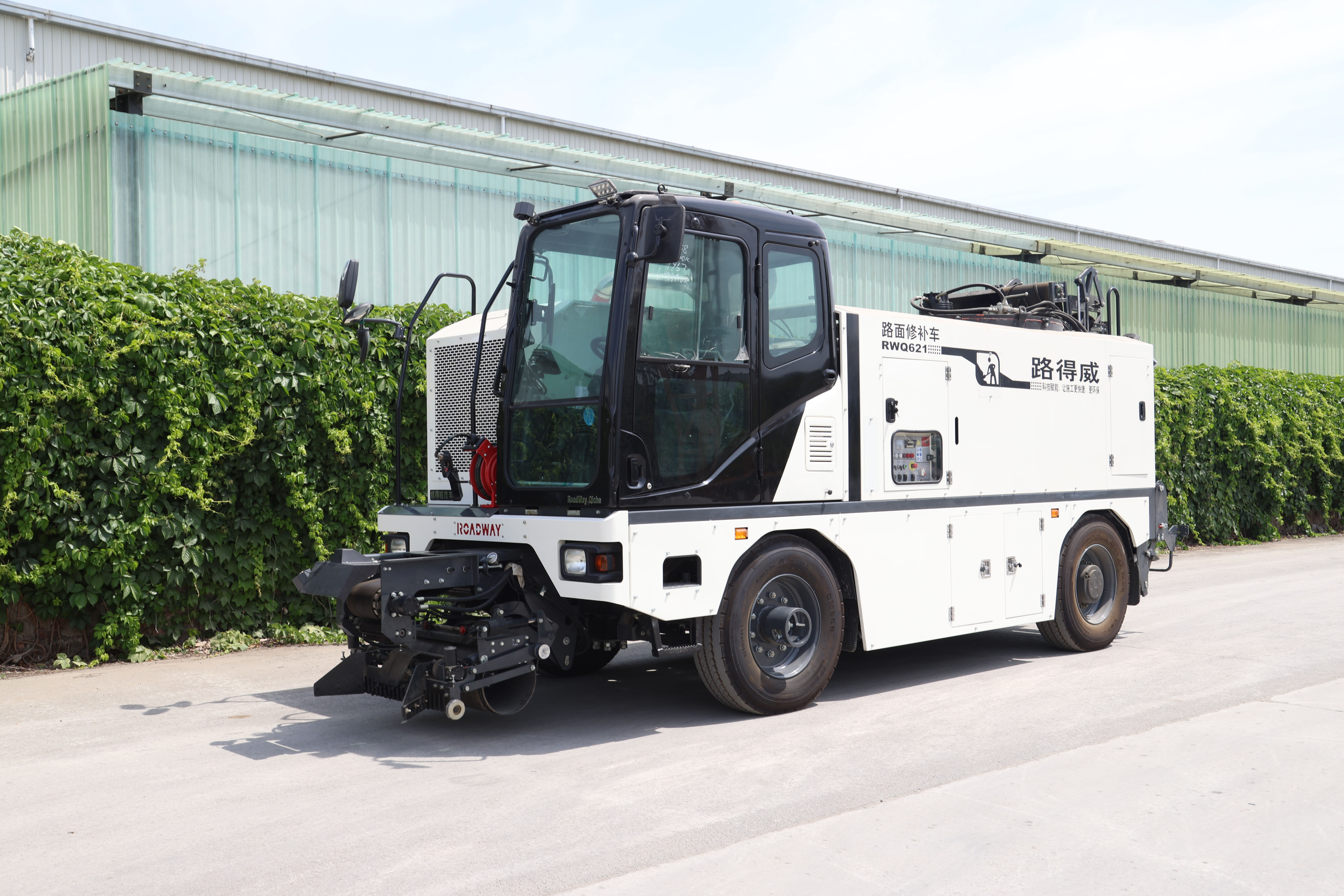
Time Savings: Reducing Repair from Hours to Minutes per Pothole
Road maintenance gets a major boost from automated pothole patchers that cut down on repair times like crazy. The old school way takes anywhere between two to four hours just to fix one hole, involving all sorts of setup work, applying materials, then compacting everything properly. But these new robotic systems can knock out a repair in less than fifteen minutes flat, which means they're about eight times faster than traditional approaches. What makes them so efficient? They don't need breaks! While human workers switch shifts every few hours, these machines keep going strong for around twenty-two hours straight each day. Cities that have adopted this tech are seeing some impressive results too, knocking out roughly forty percent more fixes each quarter without hiring extra staff. This helps tackle those annoying road repair backlogs that seem to grow faster than city budgets can handle.
AI-Powered Real-Time Detection and Patching Integration
Today's pothole patcher tech is getting smart thanks to artificial intelligence. These systems use computer vision to scan roads while moving at highway speeds, spotting cracks and holes with around 95% accuracy most of the time - sometimes even before maintenance workers spot them themselves. When the system detects damage, it automatically starts fixing things up. Robotic arms come into play, filling those gaps pretty accurately while adjusting on the fly for stuff like how thick the patching material is and what the weather conditions are like outside. The machine learning component does wonders for planning where to go next and how much material to use, cutting down waste by roughly 18% when compared to old school manual approaches. What makes all this so valuable? The whole system works in a loop that keeps everything within proper engineering standards, which means no more second guesses or expensive return trips to fix things again later.
Lower Costs and Higher ROI: Labor, Equipment, and Lifecycle Savings
Labor Reduction and Overhead Savings in Municipal Road Maintenance
Pothole patching machines are changing how cities fix roads, cutting down on the need for lots of workers at each site. Studies from city governments show crews can be reduced by about three quarters when using these automated systems. Traditional methods require anywhere from three to five people working together on digging out damage, moving materials around, and compacting everything back in place. Now just one person controls the whole operation from afar. The savings aren't just about wages either. Cities spend less on things like workers' compensation insurance, buying protective equipment for staff, and transporting teams across town. Some municipalities have saved over $190k a year per machine simply by shifting their workforce to other important infrastructure tasks without slowing down road repairs. Plus, fewer workers standing in traffic means fewer accidents happen during repairs. Accident costs typically eat up between 12% and 15% of what cities normally spend fixing potholes manually.
ROI Comparison: Automated Pothole Patcher vs. Traditional Crews
Most municipalities recover equipment costs within 18–24 months. Continued savings thereafter fund preventive maintenance programs that extend pavement lifespan. Precision filling also reduces repeat repairs by 30% compared to manual methods—compounding long-term value by avoiding rework expenses and repeated traffic disruptions.
Consistent, Long-Lasting Results: Performance and Durability Across Conditions
3-Year Pavement Integrity Data: Automated vs. Manual Pothole Filling
The road repair game has changed with automated pothole patchers delivering much better results compared to old school manual fixes. Research from field tests indicates that these automated solutions last around three years before needing attention, which is about two and a half times longer than what we see with traditional methods. When roads face real world challenges such as sun damage, constant freezing and thawing, plus regular truck traffic, most automated patches still hold onto about 92% of their original material after three full years. Manual repairs tell a different story though, with roughly 80% showing cracks or other signs of wear within just 14 months. The secret lies in how these machines work their magic through consistent pressure application and even distribution, creating stronger pavement layers that stand up against common problems like water getting underneath and causing cracks down the line.
All-Weather and Multi-Surface Adaptability (Urban, Highway, Airport)
Today's pothole patchers work well in all sorts of places, whether it's the salt air of coastal roads or icy mountain passes. They keep fixing those annoying holes even when it rains cats and dogs, snows sideways, or temperatures swing wildly. The machines have smart systems that tweak how thick the filler material gets and how hard it's pressed into the hole. These adjustments happen automatically after scanning the road surface and checking current weather conditions. Looking at how these patchers perform on different kinds of roads tells us something interesting: most repairs hold up pretty consistently over time, which means less money spent on constant fixes down the road.
Safer Operations: How Automated Pothole Patchers Protect Workers and Traffic Flow
Safety on roadwork sites gets a major boost when automated pothole patchers are used instead of traditional methods. Workers no longer have to stand just feet away from speeding cars while battling rain, snow, or extreme heat, all while handling heavy machinery that can cause serious accidents. The new automated approach lets technicians sit safely inside climate controlled cabs where they control everything from applying materials to compacting them using intuitive touch screens. Getting rid of people working directly on roads has multiple benefits. First, it completely removes the risk of being hit by passing vehicles which alone accounts for nearly nine out of ten workplace injuries according to city safety reports. Plus, nobody strains their back lifting heavy loads anymore since most of the work is done mechanically now.
At the same time, these road repair machines cut down on traffic headaches by fixing problems quickly and accurately. Manual repair teams need to close lanes for hours just to set up and clean up after themselves, while these automated systems can patch a pothole in less than five minutes each time. Faster fixes mean fewer traffic jams and less chance of accidents happening near construction sites something worth remembering since thousands get hurt every year in America alone from crashes in work zones. Plus, the patches applied by machines hold up much better during extreme weather conditions compared to those done manually. This means fewer return trips for maintenance crews, which keeps both workers and drivers out of dangerous situations longer term.
FAQ
What are the advantages of using automated pothole patchers over traditional methods?
Automated pothole patchers are faster, reducing repair times from hours to minutes, and are more efficient as they require fewer workers, leading to lower labor and equipment costs. They also reduce material waste and enhance worker safety.
How do automated pothole patchers detect and fix potholes?
These patchers use AI-powered computer vision to scan roads for damages. Upon detecting a pothole, robotic arms fill the gaps accurately, taking into account factors like material thickness and weather conditions.
What are the cost savings associated with automated pothole patchers?
Municipalities can save significantly on labor and equipment maintenance, recovering equipment costs within a couple of years. This enables further savings to fund preventive maintenance programs.
How long do the repairs from automated pothole patchers last?
Field studies indicate automated repairs last about three years, significantly longer than manual repairs, which often show signs of wear within 14 months.
Do automated patchers work in all types of weather and surfaces?
Yes, they adapt to various environmental conditions and surfaces, maintaining high repair success rates across urban roads, highways, and airports.
How do automated pothole patchers improve roadwork safety?
They minimize the need for workers to be on the road, reducing the risk of accidents with passing vehicles and eliminating the manual handling of heavy loads, ultimately enhancing overall site safety.
Table of Contents
- Faster, Smarter Repairs: Efficiency Gains with Automated Pothole Patchers
- Lower Costs and Higher ROI: Labor, Equipment, and Lifecycle Savings
- Consistent, Long-Lasting Results: Performance and Durability Across Conditions
- Safer Operations: How Automated Pothole Patchers Protect Workers and Traffic Flow
- FAQ