
 EN
EN
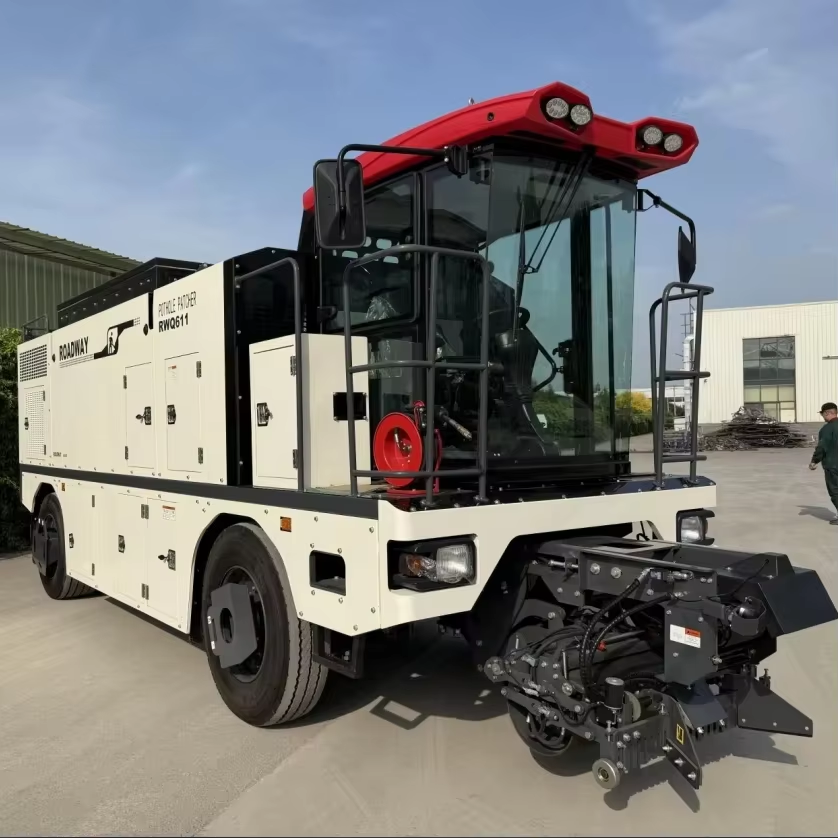
Pothole Patcher Types: Matching Technology to Repair Scope and Timeline
Cold Patch Patcher: Ideal for Quick, Temporary Repairs
Cold patch patchers offer quick fixes when roads need repair fast, especially during those icy winters or rainy days when other options just won't work. The way these systems work is pretty straightforward really. They mix bitumen with gravel right there at the job site, no need for any heating involved. Workers can apply the material and compact it manually within just a few minutes. Since there's no waiting around for materials to heat up and no fancy gear required, this approach cuts down road closures by about forty percent over conventional techniques while also saving money on labor costs. Municipal crews love using cold patches during winter months and on those country backroads with lighter traffic volumes. It gives them something stable enough to keep things running until proper repairs get scheduled later on.
Hot Mix Asphalt Patcher: Best for Permanent, High-Traffic Repairs
HMA patchers create strong, well-bonded fixes ideal for busy roads, main streets, and areas where lots of vehicles pass through daily. When the asphalt gets heated up to around 300 degrees Fahrenheit, it sticks really well to what's already there on the road surface. What happens during this repair process? First they clean out all the old stuff thoroughly, then fill the area precisely, and finally roll it down to make sure everything is compacted properly. These patched sections can handle heavy traffic loads and typically last about five years before needing another fix. According to FHWA data, hot mix repairs actually hold up against freezing and thawing weather conditions about ten times better than those quick fix cold patches most people know about. Sure, using HMA takes more work and fuel initially compared to simpler alternatives, but studies show that over time, companies save roughly 27 percent on maintenance expenses because these repairs don't need replacing so often.
Infrared and Spray Injection Patcher Systems: Precision Solutions for Efficiency-Critical Projects
Infrared and spray injection technologies excel where speed, scale, and minimal lane closures are critical—such as airport runways or interstate networks, where extended closures incur $15,000/hour penalties (Urban Infrastructure Report, 2024).
- Infrared systems soften existing asphalt edges using targeted radiant heat, allowing new material to fuse seamlessly—reducing visible seams and cutting water infiltration risk by 90%.
- Spray injection units combine high-pressure air cleaning with simultaneous emulsion-aggregate delivery, compacting material intrinsically and accelerating repairs by 70% versus manual methods.
Together, these systems cut labor requirements by half and extend repair service life by 3–5 years—making them ideal for municipalities prioritizing both efficiency and durability.
Key Performance Criteria for Selecting a Pothole Patcher
Durability Under Real-World Stresses: Traffic Load, Freeze-Thaw Cycles, and UV Exposure
Durability isn’t theoretical—it’s measured in years of real-world performance under traffic, temperature swings, and sun exposure. Freeze-thaw cycles alone drive over 70% of premature pothole repair failures (National Transportation Research Board, 2023). When evaluating patchers, prioritize those engineered for:
- Compressive strength sufficient for heavy axle loads
- Flexural endurance, resisting thermal cracking across seasonal extremes
- UV-stabilized binders, preventing binder oxidation and surface raveling
For high-traffic corridors, top-tier solutions exceed standard municipal fatigue resistance specs by at least 40%.
Ease of Use, Labor Requirements, and On-Site Deployment Speed
Labor accounts for 60% of total repair costs (FHWA, 2024), making operational simplicity a decisive factor. Look for systems designed for:
- Single-operator functionality, with intuitive controls and minimal training
- Sub-15-minute setup times, essential for responsive emergency repairs
- Integrated compaction mechanisms, eliminating reliance on separate rollers or tampers
Mobile units with pre-mixed materials reduce on-site preparation time by 80%—a key advantage when minimizing peak-hour disruptions.
Sustainability and Compliance: Environmental Impact of Modern Pothole Patchers
VOC Emissions, Recycled Aggregate Content, and Lifecycle Efficiency by Pothole Patcher Type
Today's green standards aren't just about checking boxes anymore. They actually want real results when it comes to cutting down on emissions, reducing waste, and using fewer resources overall. Let's look at some specifics. Cold patch solutions don't release much VOCs since they work at room temperature, though most only have around 15% recycled materials mixed in. On the flip side, hot mix asphalt does produce more VOCs when heated, but manages to incorporate between 20 and 40% recycled asphalt pavement, which cuts down on new material needs quite a bit. Now infrared and spray injection methods stand out for their whole life cycle performance. These systems cut emissions by almost half compared to traditional hot mix approaches, plus they can handle over 40% recycled content. What makes them even better? The repairs last longer too, surviving about double the freeze-thaw cycles that temporary patches do. This means fewer repeat jobs and less environmental damage from constant fixes. With regulations getting stricter and people caring more about sustainability, these efficient repair options are quickly becoming what everyone expects from modern infrastructure maintenance practices.
Operational Readiness: Equipment Compatibility, Vendor Support, and Field Consistency
Achieving seamless deployment hinges on three interdependent factors:
First, hardware compatibility—verify that the patcher integrates with your fleet management software and auxiliary equipment (e.g., dump trucks, compressors). Mismatched hydraulic couplings or incompatible data protocols are common sources of costly delays.
Second, vendor support infrastructure—prioritize manufacturers with certified technician networks offering ë24-hour emergency response and regional spare parts inventories for high-wear components like spray nozzles and heating elements.
Third, field consistency—demand documented performance records showing ë5% variance in repair quality across crews, shifts, and weather conditions. Operators who pair rigorous compatibility checklists with enforceable vendor service-level agreements (SLAs) report up to 40% less unplanned downtime (2023 Fleet Operational Data).
FAQ Section
What is a Cold Patch Patcher?
A Cold Patch Patcher is a quick and temporary fix for road repairs, typically using a mix of bitumen and gravel without the need for heating.
How does a Hot Mix Asphalt Patcher differ?
Hot Mix Asphalt Patchers create permanent fixes by heating asphalt to 300 degrees Fahrenheit, offering strong, durable repairs suited for high-traffic areas.
What are Infrared and Spray Injection Patcher Systems?
These systems focus on efficiency and minimal lane closures, using advanced methods to soften and bond asphalt or deliver materials quickly for precision repairs.
Why is durability important in selecting a patcher?
Durability ensures long-term performance under stress, preventing premature failures and reducing maintenance costs over time.
What factors contribute to operational readiness in patching?
Operational readiness involves compatibility with existing equipment, vendor support, and ensuring consistent repair quality across conditions.
Table of Contents
- Pothole Patcher Types: Matching Technology to Repair Scope and Timeline
- Key Performance Criteria for Selecting a Pothole Patcher
- Sustainability and Compliance: Environmental Impact of Modern Pothole Patchers
- Operational Readiness: Equipment Compatibility, Vendor Support, and Field Consistency
- FAQ Section