
 EN
EN
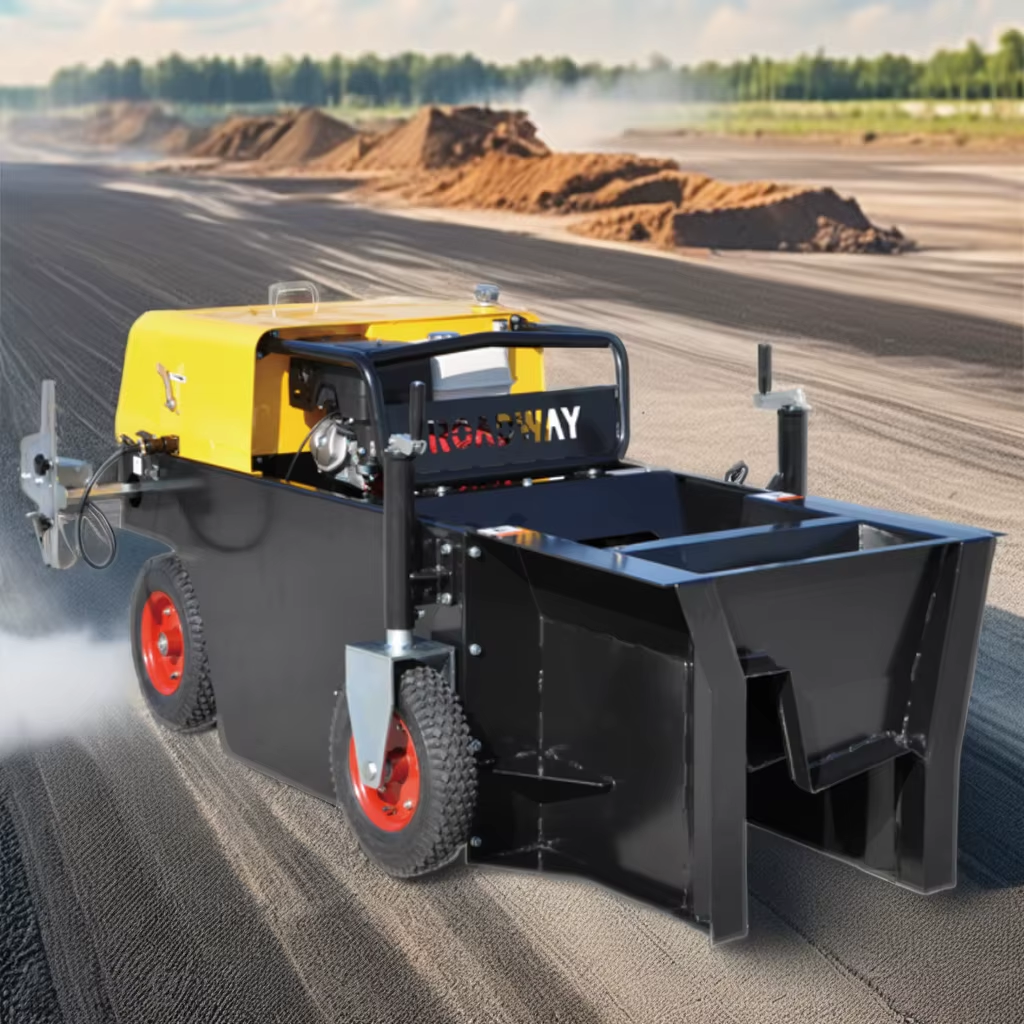
Microcomputer Laser Scan Technology: The Core of Laser Screed Accuracy
How Real-Time Laser Scanning Achieves Sub-Millimeter Flatness Control
Today's laser screed tech works by using computer controlled lasers to level concrete surfaces with amazing accuracy. The system has a spinning laser that creates a flat reference line over the whole pouring area while sensors on the machine constantly check how far off the surface is from that line. These readings happen so fast the machine can adjust itself up to fifty times every second, keeping the screed at just the right height and angle. Compared to old school methods like strings or manual tools, these modern systems maintain around plus or minus 0.8 millimeters of accuracy throughout big slabs, even when visibility is poor or there's dust everywhere. What this means for contractors is consistently flat floors that meet those tough FF/FL standards above 50, without needing much hands-on work or fixing mistakes later.
Integrated Microcomputer Feedback Loop vs. Conventional Stringline and Manual Adjustment
Microcomputer integration marks a decisive evolution beyond traditional concrete leveling:
- Precision: Stringline setups suffer from cable sag, thermal drift, and human measurement error—typically yielding ±3mm tolerance. Laser-microcomputer systems eliminate these variables, delivering uniform sub-millimeter control.
- Speed: Manual adjustments interrupt concrete flow; automation reduces leveling time by up to 60%, according to studies cited by the American Concrete Institute (ACI) and the National Ready Mixed Concrete Association (NRMCA).
- Labor Efficiency: One operator manages the full process versus 3–4 crew members required for stringline setup and verification.
By removing cumulative errors from repeated manual checks, the system ensures reliable compliance with demanding flatness specifications—especially critical for large-scale commercial and industrial slabs where rework is costly and disruptive.
Meeting Industrial f-min Standards with ROADWAY Laser Screed
Field-Validated f-min 50+ Performance Across Warehouses and Distribution Centers
For industrial operations, concrete floors need to hit certain flatness standards if they want their material handling systems to work properly. When floors aren't level, forklifts become unstable, machinery breaks down faster, and products get damaged during transport. We've seen this happen time and again at warehouses all over the country. Take a look at Amazon's fulfillment centers or DHL's massive distribution hubs - these places rely heavily on ROADWAY laser screeding technology. The results speak for themselves: most projects end up with floor flatness ratings above 50 even when covering areas larger than 100 thousand square feet. What makes this possible? Well, there are several key factors behind this consistent performance...
- Real-time microcomputer adjustments synchronized with concrete placement
- Sub-millimeter elevation control maintained across slab perimeters and interior zones
- Elimination of finishing inconsistencies caused by operator fatigue or technique variation
Certified facilities at f-min 50+ levels see real improvements in operations. The Material Handling Industry's long term studies show about 30% fewer problems with maintenance on material handling equipment, plus forklift tires last roughly 25% longer than average. What makes this tech stand out is how it stops those expensive retrofit jobs after concrete pouring happens. When everything from AGV navigation routes to warehouse racking gets set right at installation, there's no need for costly fixes later on. Developers and building owners benefit big time too. Maintenance expenses over the whole facility lifespan drop somewhere around 40%, and tenants can move in much sooner since there's less back and forth with adjustments.
Optimizing Laser Screed Selection: Ride-On vs. Walk-Behind for Project Scale and Constraints
Ride-On Laser Screed for High-Volume, Large-Slab Applications (¥5,000 sq ft)
Laser ride-on screeds really shine when working on big industrial projects like warehouse floors, manufacturing spaces, cold storage areas, and those massive logistics hubs we see popping up everywhere these days. These machines work best on slabs measuring around 5,000 square feet or bigger, combining auger systems for spreading concrete with laser guidance that keeps things level in real time. The operators can tweak the grade and slope using the control panel right on board, which means no more stopping mid-job to reset strings or recalibrate manually. What this all adds up to is seriously fast placement speeds exceeding 3,000 square feet per hour, all while keeping those tight f-min 50+ tolerances throughout the entire pour area. Contractors report cutting labor costs by about 60% when switching from traditional methods, and the machine stays stable even with heavy loads, delivering consistent finishes regardless of whether it's dealing with runny high slump mix or tougher fiber reinforced concrete.
Walk-Behind Laser Screed for Retrofit, Tight-Space, and Low-Headroom Projects
Walk behind laser screed machines offer real flexibility when working on tight or complicated job sites. These units usually have clearance widths below 390mm and come with compact frames that let them work well in places like mechanical rooms, elevator shafts, tunnel linings, and narrow corridors where bigger ride on equipment simply won't fit. The difference between these and boom mounted options is pretty significant too. Boom mounts typically need around 50mm of concrete spread before starting, while walk behind models can get close to the final grade right from the start, cutting down on unnecessary digging and patchwork later. Many models now run on batteries which is a big plus for jobs in enclosed spaces or areas with poor ventilation. What's really impressive though is that despite their smaller size, these machines match the same sub millimeter accuracy and f min 50+ performance standards as the larger versions. Makes them perfect for things like small industrial floor upgrades, hospital wing expansions, or fixing up infrastructure details without missing any of the required specifications.
FAQ Section
What is laser screed technology?
Laser screed technology uses computer-controlled lasers to level concrete surfaces with high precision, maintaining accuracy within plus or minus 0.8 millimeters.
How does laser scanning achieve sub-millimeter accuracy?
Real-time laser scanning creates a flat reference line, allowing sensors to adjust the screed's height and angle up to fifty times per second.
What are the advantages of using laser screeds over traditional methods?
Laser screeds offer improved precision, speed, and labor efficiency compared to conventional stringline and manual adjustment methods.
What is the difference between ride-on and walk-behind laser screeds?
Ride-on laser screeds are suited for large-scale projects, while walk-behind models are ideal for tight spaces and low-clearance areas.