
 EN
EN
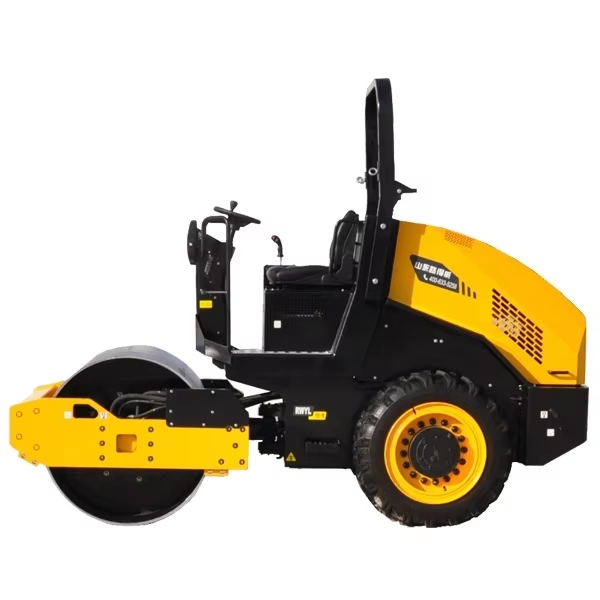
The Engineering Advantage: How Single Drum Vibratory Rollers Maximize Coverage and Efficiency
Drum Width, Vibration Frequency, and Pass Efficiency for Rapid Large-Area Compaction
The bigger drums on these machines, typically measuring between 1.5 meters to just over 2 meters wide, let single drum vibratory rollers get across about 30 percent more ground with each pass compared to their narrower counterparts. When combined with those high frequency vibrations ranging from 1800 to 3000 vibrations per minute, the whole setup works really well at moving particles around in granular sub bases. This actually helps reach that desired 92 to 96 percent Proctor density level much quicker than before. Looking at actual field tests done on highway embankments, we see some impressive numbers too. Contractors reported needing about 40% fewer passes overall, and completing those 500 meter long compaction jobs up to half as fast when using these vibrating rollers instead of old fashioned static ones. The trick here is getting the right settings for different materials. Most experienced operators know to crank up the frequency for sandy soils while they'll go for stronger amplitude settings when dealing with those tricky clay based materials that tend to stick together so much.
Hydraulic Drive + Continuous Vibration: Seamless Operation Across Parking Lots and Road Bases
When it comes to compacting surfaces, hydraulic drive systems work wonders when combined with constant vibration because they fill those pesky compaction gaps whenever the machine changes direction. This matters a lot on big areas where joints are sensitive, think about airport runways or massive industrial parking lots for instance. Mechanical drives just cant match what hydraulics do here. These systems provide steady power throughout their entire speed range from 0 to 10 km/h, so there are no dips in performance when moving between different speeds. For road base applications, this means the compaction stays solid even going uphill slightly, something traditional systems struggle with. Tests done last year showed these machines cut down roller bounce back issues by around 15%, which makes a real difference in quality. What we end up seeing is pretty much the same density throughout, with variations staying under 2 mm over distances of 100 meters straight.
Operator-Centric Design: Sustained Productivity and Safety on Extended Large-Area Jobs
Isolated Cab, 360° Visibility, and Ergonomic Controls for Full-Shift Ride-On Vibratory Roller Operation
When workers spend long hours covering big areas, their comfort becomes essential. That's why modern ride-on vibratory rollers come equipped with several key features that boost both safety and productivity. First off, these machines have isolated cabs that cut down on vibrations reaching the operator by about 70%. This makes a real difference in preventing those nagging back problems that develop over time. Another smart feature is the full 360 degree visibility around the machine. No blind spots means operators can see what's happening behind them, which matters a lot when backing up near trenches or people working nearby. And let's not forget the adjustable controls throughout the cab. Seats that suspend to absorb shocks and joysticks designed for easy handling help reduce hand fatigue and mental strain during those 10 hour days. On actual job sites like airport runways, this kind of thoughtful design keeps equipment running at about 98% efficiency day after day. Workers stay alert longer without making mistakes from tiredness, and companies still get great results. Most importantly, the improved efficiency usually pays back the initial cost of these upgraded machines within just two seasons of regular use.
Maneuverability Meets Scale: Terrain Adaptability Without Compromising Output
Single drum vibratory rollers offer a good mix of maneuverability and size. The articulated steering allows for tight turns around those tricky urban spaces such as street corners or near buildings. At the same time, these machines come with drum widths that go all the way up to 84 inches, which covers quite a bit of ground when working on roads or industrial areas. What makes them really useful is this ability to handle both small jobs and bigger projects without needing different equipment. Contractors report saving roughly 30% of their time on sites where terrain changes constantly between flat spots and hilly areas. With smart weight balancing and controls that respond well to operator input, these rollers keep delivering solid compaction results even on slopes reaching about 20 degrees or over rough surfaces. They work just as effectively on multi-level parking garages as they do across vast factory grounds.
FAQ
What is the advantage of the larger drum width on single drum vibratory rollers? Larger drum widths allow these rollers to cover about 30% more ground with each pass, making them efficient for large-scale compaction tasks.
How do hydraulic drive systems enhance roller performance? Hydraulic drive systems provide consistent power across all speeds, helping maintain solid compaction even on inclines, unlike mechanical drives.
Why is operator comfort crucial in roller operation? Comfort features, such as isolated cabs and ergonomic controls, reduce operator fatigue, enhancing safety and productivity on long jobs.
Can these rollers handle varying terrains? Yes, their maneuverability and smart weight balancing allow them to adapt to diverse terrains, delivering consistent compaction results.
Table of Contents
-
The Engineering Advantage: How Single Drum Vibratory Rollers Maximize Coverage and Efficiency
- Drum Width, Vibration Frequency, and Pass Efficiency for Rapid Large-Area Compaction
- Hydraulic Drive + Continuous Vibration: Seamless Operation Across Parking Lots and Road Bases
- Operator-Centric Design: Sustained Productivity and Safety on Extended Large-Area Jobs
- Maneuverability Meets Scale: Terrain Adaptability Without Compromising Output
- FAQ