
 EN
EN
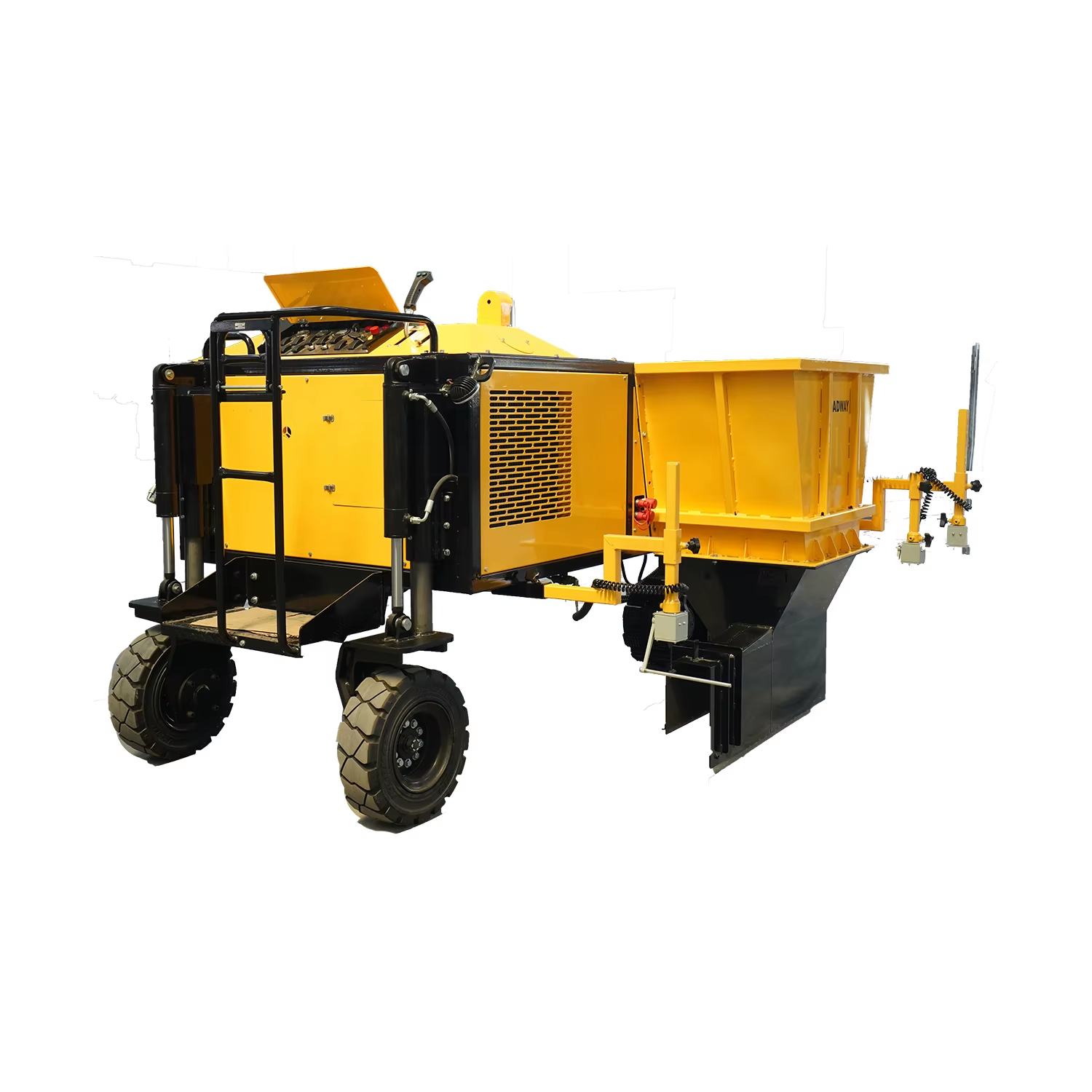
The Rise of Automation in Road Construction Curb Pavers
How Automation is Transforming Traditional Paving Workflows
Road construction is getting a major upgrade thanks to automated curb pavers that cut down on mistakes made during manual work. These machines rely on GPS guidance along with laser leveling technology to keep everything aligned just right, so workers don't have to constantly adjust things themselves. Municipalities saw some impressive results from recent projects using these systems. According to research published in 2024, there was a drop of about half in the amount of rework needed when compared to old school methods. Plus, they managed to complete tasks roughly 22 percent quicker when running around the clock. For cities looking to save money and time on infrastructure projects, this kind of efficiency makes all the difference.
Key Drivers Behind the Adoption of Automated Curb Pavers
Three factors dominate automation adoption:
- Labor shortages: 78% of contractors report difficulty filling operator roles (AGC Workforce Report 2025)
- Precision demands: Modern infrastructure specifications require <3 mm curb height variance – achievable only through robotic systems
- Cost pressures: Automated pavers reduce fuel consumption by 17% through optimized motion patterns
Industry analysis shows these drivers will push autonomous equipment adoption to 45% of paving projects by 2027.
Balancing Job Displacement with Productivity Gains in the Construction Industry
While automation reduces direct labor needs, it creates high-tech maintenance roles projected to grow 29% by 2030 (BLS). Forward-thinking contractors like Brighter Skies Construction reskilled 83% of displaced workers as automation technicians through partnerships with vocational schools. Their retrained teams now supervise 3x more paving projects than pre-automation levels.
Smart Paving Technology and AI Integration
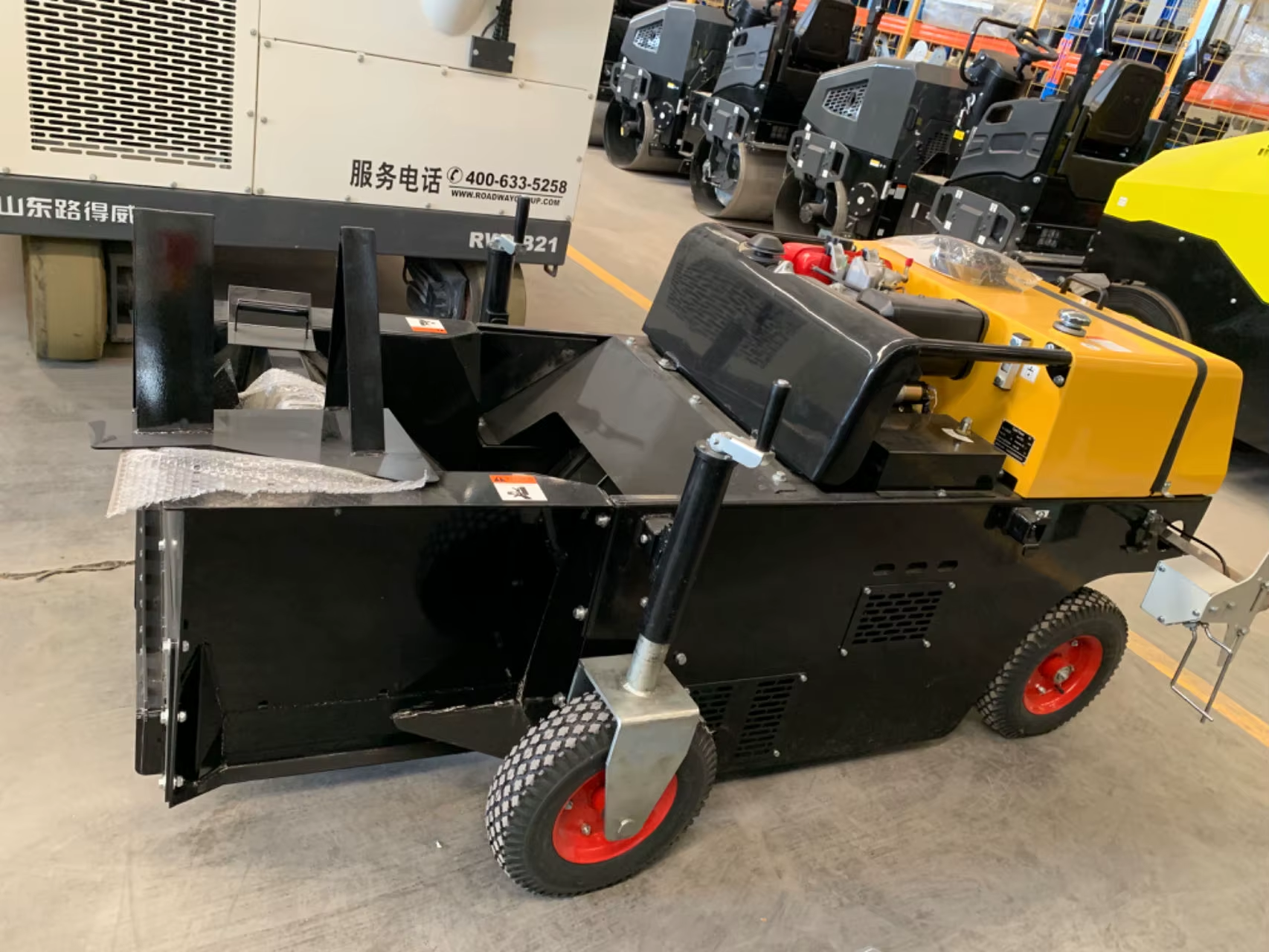
AI-driven infrastructure projects in modern road building
Road building today is getting smarter thanks to AI technology that looks at landscape details from LiDAR scans and satellite images to guide paving machines where they need to go. The smart software cuts down on mistakes made during planning by around three quarters and can handle surprises underground too. We saw this work well during Singapore's big highway project last year according to the Construction Tech Institute report from 2023. Top end AI controlled pavers are also connecting with BIM systems these days. This lets them make adjustments automatically depending on how traffic moves and where pipes and cables run beneath the surface. Contractors find this saves time and money while making roads safer for everyone.
Machine learning for real-time asphalt density optimization
Modern neural network systems analyze both thermal images and vibration sensor readings to keep asphalt compaction at just the right level during paving operations. What makes this AI powered method stand out is that it delivers about 18 percent better compaction results than what workers can manage manually, something that really matters when trying to stop roads from breaking down too soon after construction. According to findings from the latest Paving Materials Report released in 2024, these machine learning techniques cut down on those pesky temperature caused density issues by roughly 34 percent. They do this by making instant adjustments to the screed as needed. As an added bonus, pavements built using this technology tend to last anywhere between five to seven extra years in busy traffic zones where normal wear and tear happens much faster.
Case study: AI-controlled pavers reducing material waste by 18%
A Texas highway project utilizing AI material allocation systems documented a $2.1M savings through precise asphalt batch monitoring. Infrared sensors detected inconsistencies in aggregate distribution, triggering automatic mixer corrections within 0.8 seconds. This precision prevents over-pouring and underfill scenarios that typically account for 12–15% of material waste in traditional projects.
From sensors to strategy: Data-driven decision making in paving
Connected paver fleets now generate 2.1TB of operational data daily – from engine performance metrics to surface finish quality scores. Advanced analytics platforms correlate this data with weather patterns and traffic models to:
- Predict maintenance windows with 89% accuracy
- Optimize paver speed settings for fuel efficiency
- Auto-generate compliance documentation for regulatory audits
This smart infrastructure approach has reduced project approval timelines by 30% in European smart city initiatives since 2022.
Robotic Pavers and Autonomous Workforce Evolution
Advancements in autonomous construction machinery for precision paving
Modern robotic pavers now achieve millimeter-level accuracy through laser-guided leveling and pressure-controlled extrusion systems. These systems reduce manual correction needs by 73% compared to traditional methods (RoadTech Journal 2023). The latest models integrate hydraulic articulation for complex curb profiles, enabling single-pass installation of integrated gutter-curb systems.
Machine-to-machine communication in connected paving fleets
Smart pavers equipped with IoT technology are now talking shop with compactors and material trucks, forming these neat little workflow partnerships on construction sites. If a paver notices the asphalt getting too cool (below 135 degrees Celsius), it sends out a message to the dump trucks telling them to speed things up while letting the rollers know they should hold off on their compaction work for a bit. The result? Fewer cold joints in the pavement and quite a boost in productivity. Contractors have seen about a 22 percent increase in daily output based on data from their paving fleets' tracking systems. Makes sense really when you think about how much time and money gets wasted with improperly timed operations.
The Evolution and Market Growth of the Automatic Curb Paver
From Mechanization to Full Automation in Curb Paver Systems
The way we lay curbs today looks nothing like what was common just a few years back. Back then, workers had to constantly adjust grades and manage how materials flowed through the machine while operating these early systems. Now things are different thanks to better sensors and those fancy PLCs that let the machines fix their own mistakes as they go along. What's happening here isn't isolated either. The whole construction industry is getting more automated day by day. Take a look at market numbers if you want proof. Future Market Insights says the concrete paving equipment business alone should jump from around $1.6 billion in 2025 all the way up to nearly $2.5 billion by 2035. That kind of growth shows just how fast this technology is taking hold across the sector.
Core Features of Next-Generation Automatic Curb Pavers
Today's models integrate three critical advancements:
- AI-Powered Grading Systems: Maintain ±2mm accuracy using lidar and 3D terrain mapping
- Self-Optimizing Material Delivery: Adjust concrete flow rates based on real-time slump test data
- Predictive Maintenance Alerts: Vibration sensors detect bearing wear 300+ operating hours before failure
Global Market Trends: Rising Demand for Automatic Curb Paver for Sale
Asia-Pacific dominates procurement activity, accounting for 42% of global sales as megacities prioritize curb-lined stormwater management systems. Rental programs now enable smaller contractors to access these $250k+ machines through pay-per-use models, democratizing access to automated curb laying technology.
Case Study: Municipal Project Cuts Timeline by 40% Using Smart Curb Pavers
A Midwestern U.S. county deployed GPS-guided pavers with millimeter-wave radar for its 18-mile bike path network. The machines achieved:
Addressing Reliability Concerns in Fully Autonomous Curb Laying
While early autonomous models struggled with complex intersections, modern systems use redundant inertial measurement units and machine learning-trained collision avoidance. Leading manufacturers now guarantee 98.7% uptime across first-year operations, backed by real-time remote diagnostics via 5G-connected monitoring platforms.
The curb paver market's 4.4% CAGR reflects both urbanization demands and advancing reliability in automated solutions – key factors driving procurement decisions from Jakarta to Houston. As smart city initiatives expand, these machines are becoming foundational to modern infrastructure development strategies.
FAQ
What are the benefits of automated curb pavers compared to manual ones?
Automated curb pavers offer several advantages, including reduced labor hours, decreased material waste, and increased daily output. They enhance precision and efficiency, and are crucial in meeting modern infrastructure specifications.
How is AI integration changing road construction?
AI integration in road construction allows for smarter decision-making and operational adjustments based on real-time data from LiDAR scans, thermal images, and vibration sensors. It optimizes asphalt density, reduces material waste, and prolongs pavement lifespan.
What impact does automation have on labor in the construction industry?
While automation reduces direct labor needs, it opens opportunities for reskilling displaced workers into high-tech maintenance roles, projected to grow significantly by 2030.
What are the key advancements in automatic curb paver systems?
Key advancements include AI-powered grading systems, self-optimizing material delivery, and predictive maintenance alerts. These systems maintain high accuracy and efficiency in modern road construction projects.
Table of Contents
- The Rise of Automation in Road Construction Curb Pavers
- Smart Paving Technology and AI Integration
- Robotic Pavers and Autonomous Workforce Evolution
-
The Evolution and Market Growth of the Automatic Curb Paver
- From Mechanization to Full Automation in Curb Paver Systems
- Core Features of Next-Generation Automatic Curb Pavers
- Global Market Trends: Rising Demand for Automatic Curb Paver for Sale
- Case Study: Municipal Project Cuts Timeline by 40% Using Smart Curb Pavers
- Addressing Reliability Concerns in Fully Autonomous Curb Laying
- FAQ