
 EN
EN
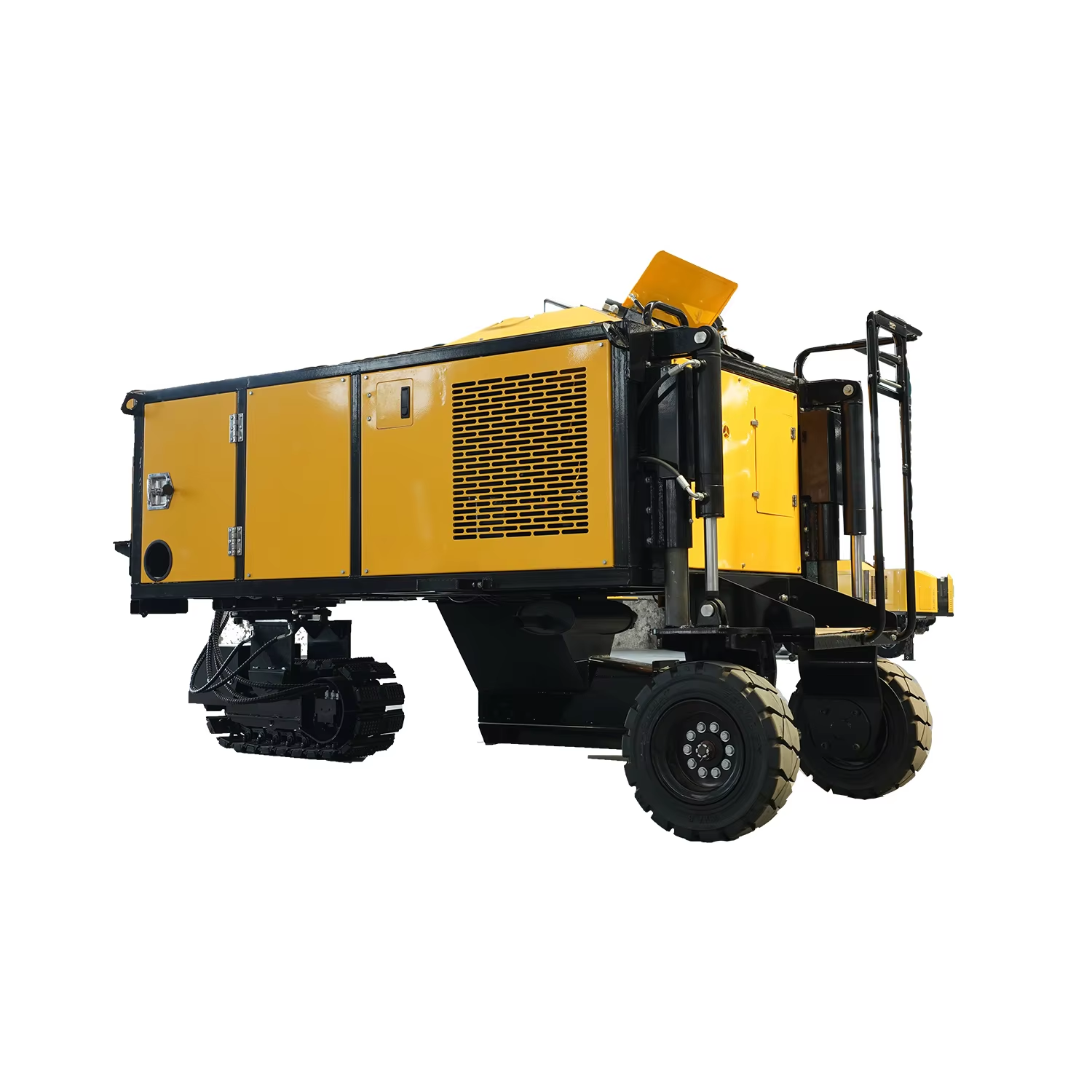
The Evolution of Curb Laying: From Manual Labor to Automatic Curb Pavers
The Shift Toward Automation in Concrete Paving
Back in the day, manual curb laying meant mixing concrete, setting up forms, and finishing those edges by hand. This whole process was just asking for alignment problems and created major headaches when it came to getting enough workers done the job fast enough. Fast forward to 2023, and according to the Federal Highway Administration data from that year, around 7 out of 10 contractors across America had switched over to automatic curb pavers because they simply couldn't keep up with all the construction work coming their way. These new machines take care of everything from feeding concrete through hoppers right into extrusion molds, allowing them to form curbs continuously at speeds exceeding 300 linear feet every single hour. Contractors who got these machines early saw something pretty impressive happen too - about 40% fewer man hours needed for highway projects than what used to be the case with old school techniques.
How Automatic Curb Pavers Replace Traditional Methods
- Eliminating Formwork: Pre-programmed molds extrude precise curb profiles without wooden forms
- Continuous Pouring: Integrated auger systems maintain consistent concrete flow
- 3D Machine Control: Laser-guided alignment replaces manual stringline setups
This automation reduces rework rates from 15% with manual techniques to under 2%, while cutting fuel costs by 30% through optimized material usage.
Adoption Trends in Major Infrastructure Projects
State DOTs now mandate automatic curb paver use for federally funded road expansions. A 2023 California highway upgrade completed curbing 25% faster using GPS-equipped pavers, avoiding $1.2M in overtime labor costs. Contractors also report 65% shorter training times for automated systems compared to manual crews.
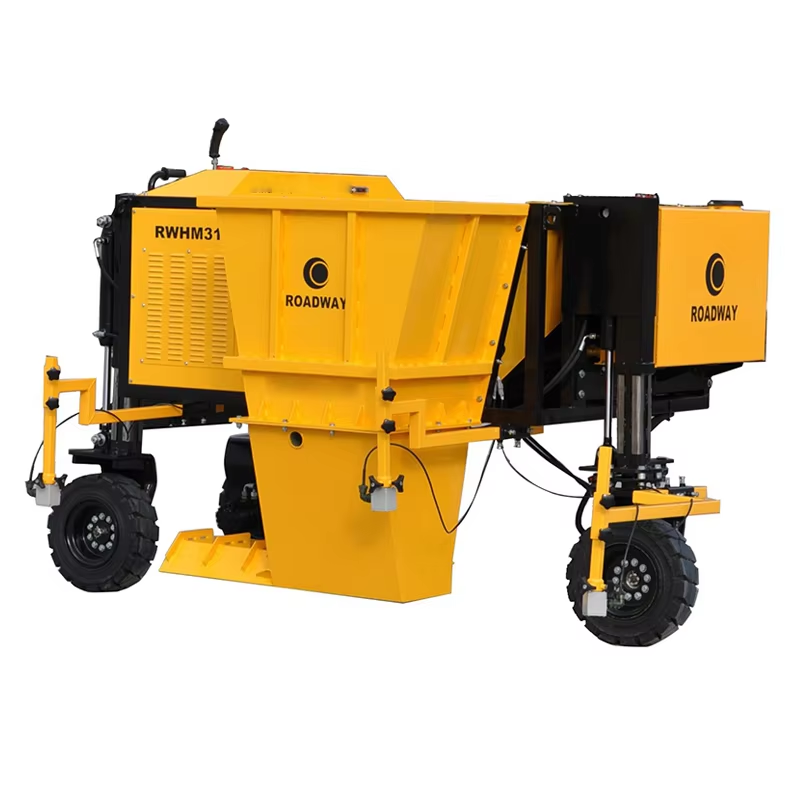
Time Savings Through Precision and Automation in Field Operations
Reduction in Project Timelines with Automatic Curb Pavers
Automatic curb pavers these days can cut down construction time by around 30 to 50 percent because they work continuously with very little need for people to get involved. Traditional methods needed different teams handling formwork, pouring concrete, then finishing it off separately. But now everything gets done in one go by just one machine passing over the area. Cities report that installing curbs along roads used to take about 14 days per mile back in the day, but with these new machines it's down to only 9 days according to recent infrastructure reports from last year. The faster completion means construction companies can offer better prices when bidding on contracts, which matters a lot since most city projects have pretty strict deadlines anyway.
Eliminating Stringlines and Manual Alignment with 3D Machine Control
3D machine control systems deliver millimeter-grade accuracy, reducing alignment errors by 92% (Construction Innovation Report, 2024). Sensors adjust paver position and slope in real time using topographical data, eliminating the need for manual grade checks. This precision prevents costly rework—typically $8,000–$15,000 per project with traditional methods—due to misaligned curbs.
Faster Setup and Execution Using GPS-Guided Paving Technology
Curb pavers equipped with GPS technology can actually take CAD designs right into their control systems so they're ready to go almost instantly. According to some field tests we've seen lately, contractors report getting set up about 75 percent quicker compared to when they had to do all the measuring themselves by hand. Once running, these machines cruise along at around 15 to 20 feet every minute, which is roughly three times what human workers manage. And here's the kicker they stay consistently within those tight specifications for curb height and slope throughout the whole job, something that manual methods just can't match reliably.
Improved Quality and Reduced Rework Through Consistent Precision
High Rework Rates in Manual Curb Installation
Traditional curb installation carries inherent quality risks, with industry studies showing up to 18% of poured concrete requiring removal and replacement due to alignment errors. Maintaining consistent grade is challenging under variable conditions such as weather shifts and worker fatigue.
Error Minimization with Automatic Curb Paver Technology
Modern automatic curb pavers reduce alignment errors by 94% using GPS-guided systems and laser-grade sensors that maintain ±2mm accuracy across entire projects. Real-time elevation adjustments and integrated vibration controls ensure uniform compaction. Operators monitor performance via centralized dashboards, replacing error-prone manual measurements with stringlines and transits.
Case Study: Municipal Curb Projects Achieving Near-Zero Defects
A Midwestern city saved $127,000 annually after deploying automatic paving technology across 14 miles of roadway upgrades. The system achieved 97% first-pass compliance on ADA ramp transitions—compared to 78% with manual methods in independent audits. Project managers noted an 80% decrease in change orders, supported by precision documentation from machine telemetry data.
FAQ Section
What are automatic curb pavers? Automatic curb pavers are machines that automate the process of curb laying by extruding concrete into precise curb shapes without requiring manual forms or complex alignments.
How do automatic curb pavers benefit construction projects? They reduce labor costs, increase productivity, improve accuracy, minimize rework, and enable faster project completion times compared to traditional manual methods.
Why are automatic curb pavers becoming more popular? Rising labor costs, skilled worker shortages, and the demand for higher efficiency and precision in construction projects drive the adoption of automatic curb pavers.
How do GPS-guided systems enhance automatic curb paver accuracy? GPS-guided systems provide real-time data to adjust machinery positioning, ensuring millimeter-grade precision and consistent project quality.