
 EN
EN
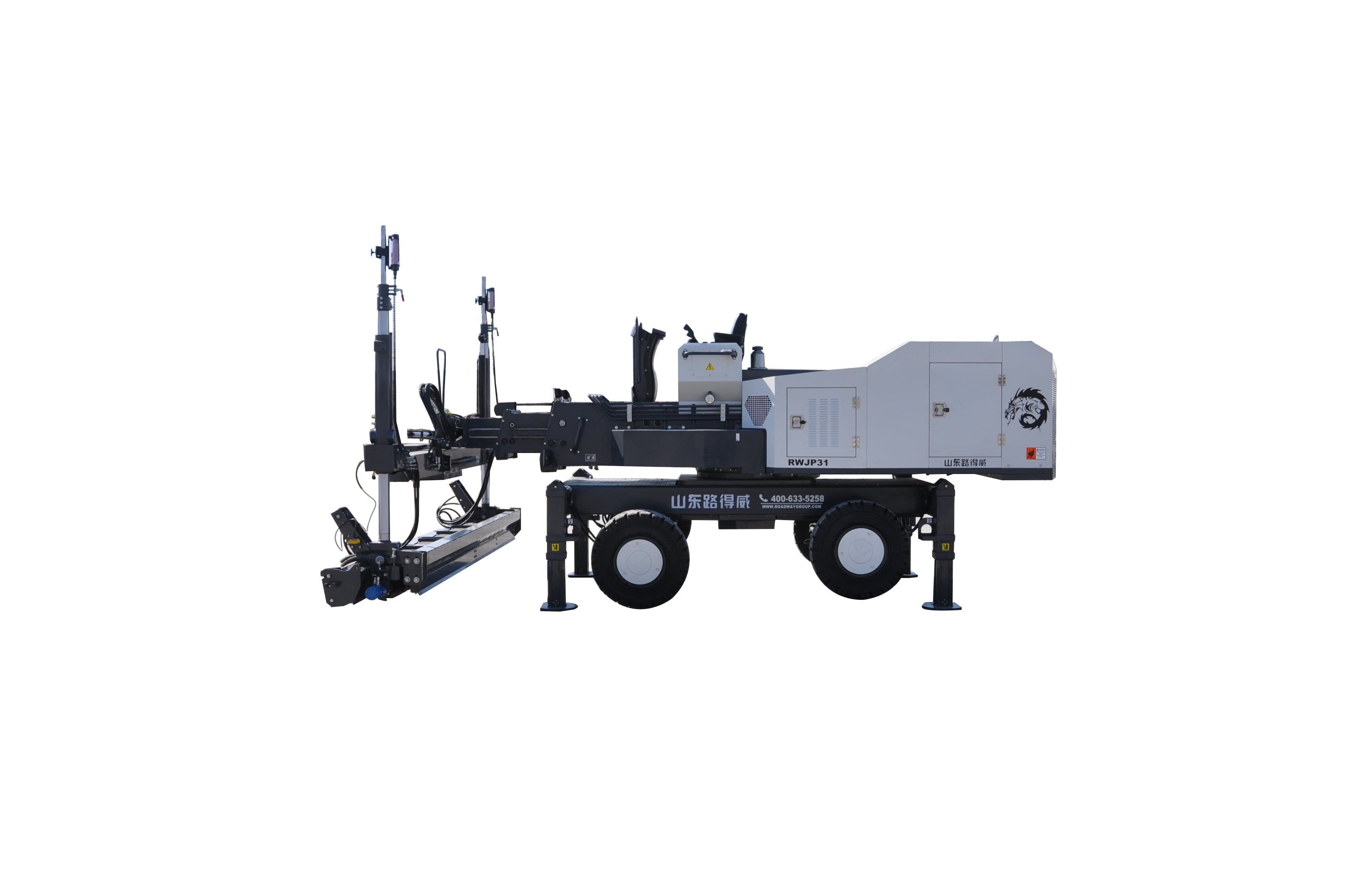
Precision Engineering: How Microcomputer Control Systems Improve Laser Leveling Accuracy
Real-time slope data processing and closed-loop feedback in modern laser land clearing systems
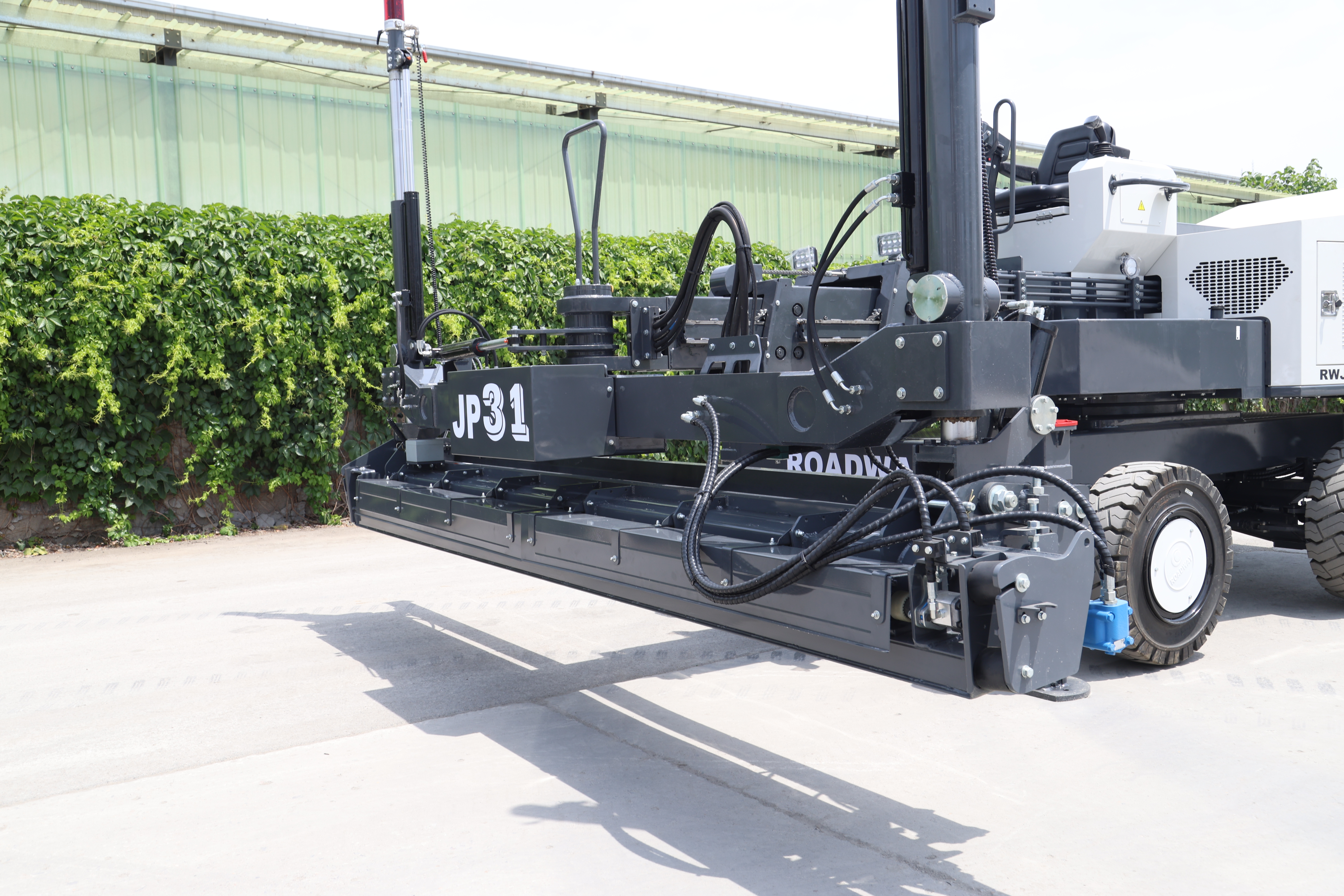
Modern microcomputer control systems operate continuously during concrete pouring, processing elevation information and detecting deviations via feedback loops, typically keeping errors within 1 millimeter. Laser sensors send real-time data to the machine's internal main computer, which performs rapid calculations and then controls the hydraulic system to operate the scraper head. The entire system automatically maintains a level surface without human intervention. Most contractors report that current FF/FL ratings are well over 50, meaning the surface meets stringent commercial specifications and requires no additional grinding or topcoat work. Multiple industry reports indicate that automated systems can reduce human error by approximately 60% compared to traditional manual methods.
Seamless integration of laser reference, GPS, and inertial sensors to achieve consistent road slope.
Modern laser screed technology integrates multiple components, including a laser reference system, an RTK GPS system, and an inertial measurement unit (IMU), into a single central processing unit. The laser system handles the fine details of vertical positioning with extremely high precision. Meanwhile, the GPS system handles precise positioning on large construction sites. The IMU operates in the background, correcting for any displacement errors caused by vibration, tilting, rolling, or uneven ground during the work process. These sensors work together to form a highly adaptable screeding system that maintains smooth transitions between slopes, even on complex roads with multiple curves and varying elevations. Real-world testing on concrete pavements has shown that contractors using these combined systems have reduced pavement bumps and unevenness by approximately 30%. This means fewer issues for maintenance personnel in the future and the ability to achieve higher-quality control over the entire pavement area in a single operation.
Operator-centric design: Ergonomics and user-friendly interface of laser screeds
The forward-leaning seating position, integrated handle controls, and high-definition digital display facilitate quick decision-making.
The comfort design of these laser screeds is crucial in practical applications. Operators sit forward, allowing them to maintain an upright posture even during long hours, without hunching over. The control handles are strategically positioned for easy access to all essential functions—such as adjusting tilt angles, changing speeds, or switching modes during operation—without having to stretch their arms. Furthermore, the bright screen clearly displays current measurements, warnings of abnormal conditions, and the machine's internal operating status, even in direct sunlight. According to research published in the journal Ergonomics, workers using this equipment experience a 42% increase in information processing speed. This means they can also identify problems faster and fix them before others notice. The key to all this is maintaining smooth, uninterrupted concrete flow, which is especially important on construction sites with tight deadlines.
Field verification showed a reduction in operator fatigue: a 37% improvement in double-slope paving operations (FHWA pilot project in 2023).
A pilot project conducted by the Federal Highway Administration in 2023 showed a significant improvement in the comfort of road construction workers. The study found that worker fatigue was reduced by approximately 37% compared to older methods. The study examined factors such as heart rate variability, muscle exertion, and how workers felt after their shifts. What contributed to this result? More comfortable seats reduced body sway, the need for hand adjustments to controls was reduced by 40%, and the monitor position was optimized so workers didn't have to crane their necks to see it. These improvements are crucial because they help maintain high-quality work throughout the entire eight-hour shift. This is especially important for projects requiring precise specifications, such as interstate highway intersections or airport runways, where even small errors can lead to significant losses.
Adaptive Paving Intelligence: 3D Laser Screed Leveling for Single Slopes and Complex Roads
Microcomputer-driven adaptive algorithms for handling variable cross slope, superelevation, and transition zones.
Intelligent computer systems running adaptive algorithms have transformed laser pavers from basic leveling equipment into advanced 3D pavers. These systems simultaneously receive data from lasers, GPS units, and motion sensors, then calculate and adjust road height, slope, and curve inclination in real time. They can handle complex situations such as slope changes, curve inclinations, and transitions between different road sections with millimeter-level precision. In real-world projects, contractors have found improvements of 40% to 60% compared to traditional manual paving techniques when paving slopes or curves. More importantly, these intelligent systems eliminate the frustrating 30% productivity loss that previously occurred when workers had to manually interpret complex blueprints. With this intelligent technology, road builders can handle complex highway designs, significantly reducing the need for later corrections and material waste. The end result? Roads that are almost perfectly identical to the original design, requiring no guesswork.
Measurable benefits: How laser leveling automation improves operational efficiency and project outcomes
Laser screed automation brings tangible benefits to operations. Its efficiency reaches approximately 500 square meters per hour, three times that of traditional methods; simultaneously, automated slope control means the number of construction workers required is halved. These two improvements significantly reduce labor costs and dramatically accelerate project progress—crucial for large industrial flooring projects. According to a 2023 study by the Ponemon Institute, project delays cost businesses approximately $740,000 per month. The system operates through a closed-loop computer, handling all the tedious manual checks and adjustments. This reduces the need for later error correction by about two-thirds, ensuring compliance with FF/FL standards even when dealing with complex shapes and angles. In short, faster turnaround times, less resource investment, and consistent compliance with specifications translate to higher overall profitability and give contractors a real edge when bidding for multi-million dollar contracts.
| efficiency indicators | Traditional methods | Laser leveling automation | improve |
|---|---|---|---|
| Daily coverage (square meters) | 150 – 200 | 300-500 | 100% – 150% |
| Labor demand | 4-6 workers | 2-3 workers | Reduce by 50% |
| Surface accuracy (mm) | ±10 | ±2 | 5x precision |
| Rework rate | 15-20% | Less than 5% | 67% decrease |
Frequently Asked Questions Section
How can a microcomputer control system improve the precision of a laser leveling machine?
The microcomputer control system processes elevation data in real time and provides closed-loop feedback, achieving a correction accuracy of approximately 1 millimeter. This ensures the ground remains flat without human intervention.
What technologies are integrated into modern laser screeds to improve road construction?
Modern laser pavers integrate laser reference, RTK GPS system and inertial measurement unit, enabling precise vertical and lateral positioning, allowing them to effectively handle complex roads.
How can operator-centric design in laser leveling machines reduce fatigue?
The operator-centric design, featuring a forward-leaning seating posture and a high-visibility digital display, reduces stress and fatigue. A pilot study by FHWA in 2023 demonstrated a 37% improvement in worker comfort.
What are the advantages of using automated laser leveling compared to traditional methods?
Laser leveling automation offers numerous advantages, including increased daily coverage, reduced labor requirements, improved surface precision, and reduced rework rates, thereby significantly saving costs and improving project efficiency.
Table of Contents
- Precision Engineering: How Microcomputer Control Systems Improve Laser Leveling Accuracy
- Operator-centric design: Ergonomics and user-friendly interface of laser screeds
- Adaptive Paving Intelligence: 3D Laser Screed Leveling for Single Slopes and Complex Roads
- Measurable benefits: How laser leveling automation improves operational efficiency and project outcomes
-
Frequently Asked Questions Section
- How can a microcomputer control system improve the precision of a laser leveling machine?
- What technologies are integrated into modern laser screeds to improve road construction?
- How can operator-centric design in laser leveling machines reduce fatigue?
- What are the advantages of using automated laser leveling compared to traditional methods?