
 EN
EN
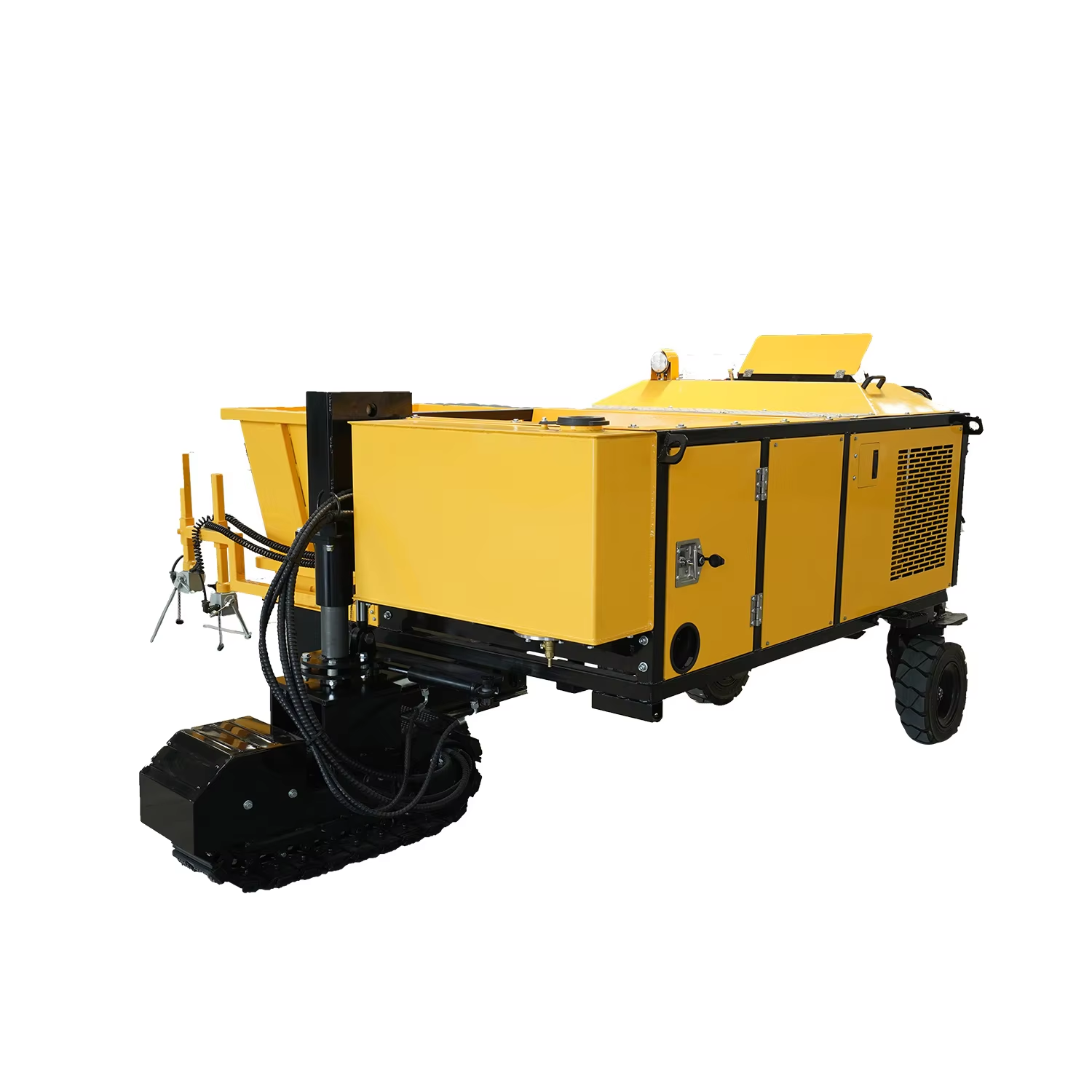
Why Laser Screed Delivers Superior Accuracy in Concrete Floor Finishing
Laser screed technology revolutionizes floor flatness by achieving tolerances within ±2mm across large slabs—far surpassing traditional methods’ ±10mm variance. This precision directly translates to consistent FF/FL (Floor Flatness/Floor Levelness) compliance without manual intervention, eliminating costly rework from human error.
FF/FL Compliance: Achieving Consistent Flatness and Levelness Without Manual Intervention
Automated laser guidance maintains exact elevation control during pouring, ensuring uniform concrete distribution. Industry studies show this reduces post-placement corrections by 28% while delivering FF ratings exceeding 50—critical for warehouses and facilities requiring seamless flooring.
The Science Behind Laser Guidance: Optical Reference vs. Human Estimation and Stringline Drift
Optical sensors dynamically adjust screed height using fixed laser planes, neutralizing substrate inconsistencies that cause stringline drift. Unlike manual estimation—which accumulates errors over distance—this system sustains ±1/16-inch (≈1.6mm) accuracy across 100+ foot spans, preventing costly tear-outs from cumulative deviations.
How Laser Screed Accelerates Concrete Placement and Reduces Project Timeline
35–50% Faster Slab Coverage: Time-to-Completion Gains Over Truss and Vibratory Screeds
The laser screed tech really speeds things up when pouring concrete, letting crews get through around 240 sq ft in about a minute flat, which basically doubles what they could do by hand all day long. What makes this possible? The machines automatically extend their booms while keeping track of levels via lasers, so there's no need for those tedious manual checks anymore. Workers aren't sweating as much either since these units roll along at roughly 3.3 km/h. Most construction sites see anywhere from 35 to 50 percent more ground covered per day, which cuts down on timelines significantly. Even tough jobs with strict floor flatness specs (those FF/FL numbers everyone talks about) don't take nearly as long to finish now.
Real-Time Grade Verification Cuts Rework by Up to 28%, Lowering Labor and Schedule Risk
Optical checks while pouring help catch problems before they get expensive, cutting down on fixes needed by about 28 percent according to industry data. Traditional stringline approaches often drift out of alignment or suffer from mistakes made by operators, but laser systems stay within 2mm accuracy even over big areas thanks to their built-in sensors that constantly monitor position. The improved accuracy means less wasted materials overall. Labor requirements drop significantly too; most jobs that once required four or five people can now be handled by two or three individuals working together. This reduction in manpower helps avoid those frustrating delays and unexpected costs that plague older construction methods.
Operational Realities: Laser Screed Versus Traditional Leveling Workflows
Old school concrete leveling used to be all about stringlines, truss screeds, and having several guys out there trying to get everything level right. The whole process was pretty hands on, needing constant checking and adjusting throughout the job. Of course, this meant mistakes happened sometimes, especially when measurements started drifting over time. Enter laser screed tech which brings in those real time lasers that actually adjust the screed height as it works along the ground. No more setting up those pesky stringlines or doing endless grade checks manually. Contractors report needing half to two thirds fewer people on site while still hitting those tight tolerances down to the millimeter. For jobs on tricky terrain with slopes or bumpy surfaces, the savings are even bigger. Traditional methods would take around 30% extra time just for all those recalibrations needed. Getting rid of those rework steps and cutting back on how many hands are required makes laser screeding a game changer for big pours where predictability and efficiency matter most.
ROADWAY Laser Screed: Engineering Advantages That Define Performance Leadership
Dual-Laser Calibration and Inertial Measurement for Stability on Dynamic or Uneven Substrates
Laser screed systems with dual calibration tech keep things accurate even when working on tricky surfaces. What makes them special? They check against two separate laser planes at once, so there's no risk of errors from just one source like older methods had. These machines also come equipped with built-in IMUs that spot changes in orientation as the ground gets bumpy or when nearby machinery shakes things up. Imagine running alongside bulldozers or pouring concrete over recently filled areas - those sensors tweak the screed head position around 50 times every second to stay level. Contractors don't have to worry about flatness meeting FF/FL standards anymore since the system handles corrections automatically. Studies show these dual-laser setups cut down surface problems by roughly 40% compared to their single-laser cousins, which means fewer headaches fixing mistakes later on complicated job sites. For big commercial jobs where time matters, having these advanced screed machines around has become almost essential nowadays.
FAQ
What is a Laser Screed?
A Laser Screed is an advanced piece of machinery used in concrete floor finishing that uses laser technology to level concrete to precise tolerances, ensuring consistent flatness and levelness.
How does Laser Screed work?
Laser Screeds use optical sensors guided by fixed laser planes to adjust heights dynamically during concrete placement, ensuring high accuracy and reducing the risk of errors compared to manual methods.
What are FF/FL ratings?
FF (Floor Flatness) and FL (Floor Levelness) ratings measure the precision and consistency of a concrete floor’s surface, essential for creating smooth and even floors in industrial and commercial spaces.
How does Laser Screed improve construction timelines?
By automating the leveling process and replacing manual checks with laser-guided precision, Laser Screeds speed up the concrete placement process significantly, improving daily coverage and reducing project timelines.
What are the benefits of Dual-Laser Calibration in Laser Screeds?
Dual-Laser Calibration maintains high accuracy even on uneven surfaces by using two separate laser planes and inertial measurement units to adjust the screed head position continuously.
Table of Contents
- Why Laser Screed Delivers Superior Accuracy in Concrete Floor Finishing
- How Laser Screed Accelerates Concrete Placement and Reduces Project Timeline
- Operational Realities: Laser Screed Versus Traditional Leveling Workflows
- ROADWAY Laser Screed: Engineering Advantages That Define Performance Leadership
- FAQ