
 EN
EN
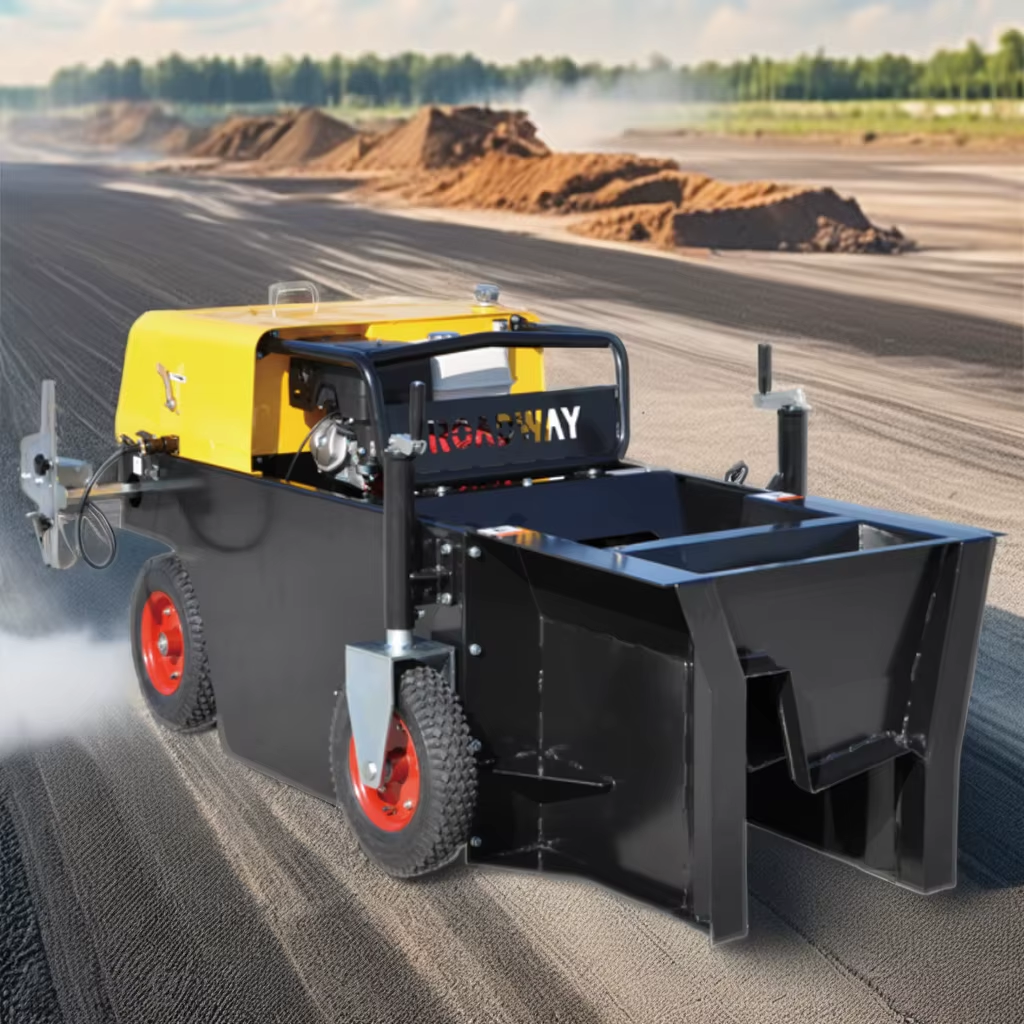
Enhanced Precision and Uniformity with Automatic Curb Pavers
How laser-guided systems ensure alignment accuracy
Curb pavers that work automatically rely on lasers and GPS tech to stay aligned within just 2 mm, which basically gets rid of those pesky manual measuring mistakes. The machines constantly tweak where they place the pavers as they go along, so everything stays level and slopes correctly even when dealing with really complicated curves. A study from the Federal Highway Administration back in 2023 showed something pretty impressive too: these automated systems cut down on shape irregularities by almost 90% compared to old school string line techniques that contractors used to depend on.
Achieving precision and consistency in curb production
Automated feed systems precisely regulate concrete volume and compaction force, achieving uniform curb dimensions (±3 mm) and density (2,400–2,500 kg/m³)–critical for load distribution in road infrastructure. A 2023 study of Texas DOT projects found automatic pavers met dimensional specifications 98.6% of the time, versus 82.4% for manual methods.
Accuracy in concrete placement and forming through automation
Integrated sensors monitor material viscosity and extrusion pressure up to 200 times per second, dynamically adjusting operations to maintain optimal consistency. This prevents common defects like honeycombing and air pockets. Contractors report 75% fewer surface imperfections with automated forming systems (National Ready Mixed Concrete Association, 2024).
Case study: Reducing rework by 40% using automatic kerb paver machines
On a recent highway project in Florida, contractors implemented 3D machine guidance technology which cut down curb rework significantly. The amount dropped from around 23% to approximately 13.8% across the entire lane length, resulting in material and labor savings of nearly $287k over an 8 mile stretch. With this system's near pinpoint accuracy when following digital plans, there was almost no conflict between curbs and drainage systems anymore. Construction reports from early 2024 show that these machines resolved about 92% of those alignment problems that used to plague traditional methods. Looking at correction rates tells another story too manual workers needed roughly 3 corrections every thousand feet of road, whereas automated pavers only had to make adjustments about once every 1,400 feet or so. This kind of efficiency makes all the difference on large scale projects where time and money are always tight.
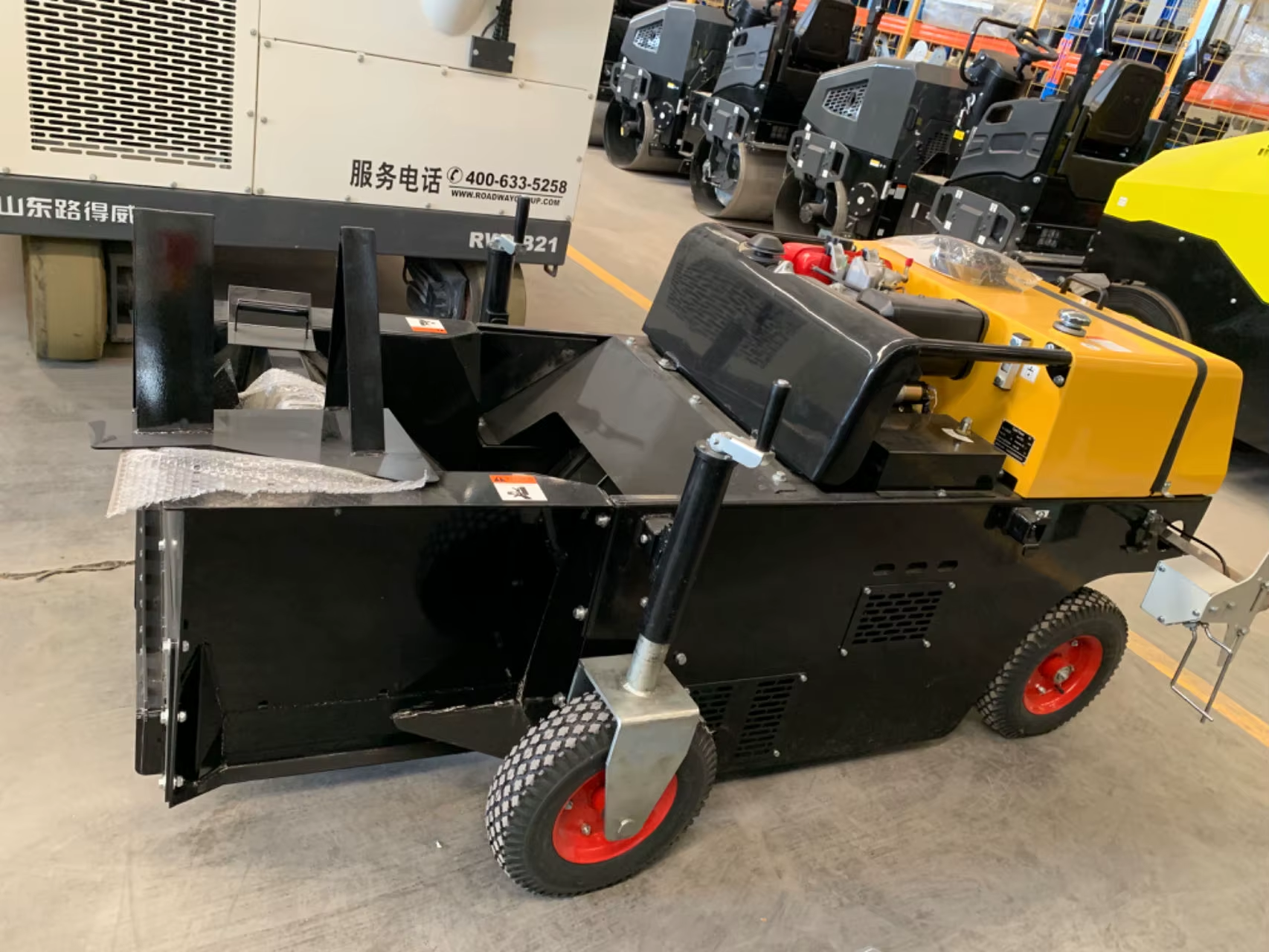
Improved Efficiency and Speed of Curb Installation
Faster Project Completion Times with Automated Paving Systems
Automatic curb pavers operate at 2.5 times the speed of manual crews, enabling uninterrupted concrete placement. Contractors report completing highway curb installations 22 days faster than traditional methods, thanks to consistent performance during extended 14-hour shifts.
Efficiency Gains from Continuous Operation Without Manual Interruptions
By eliminating worker breaks and material-handling delays, these machines lay up to 1,100 linear feet of curb per day–60% more than manual teams. Data from 23 state DOT projects show automatic pavers reduce non-operational downtime by 73% compared to crew-based workflows.
Phenomenon: 60% Increase in Daily Paving Output Compared to Traditional Methods
The 2024 Infrastructure Efficiency Report notes automated curb machines achieve 2.4 miles per week versus 1.5 miles with manual labor, translating to $18,000 in weekly savings on urban projects.
Strategy: Integrating Automatic Curb Pavers into Tight Construction Schedules
Forward-thinking contractors synchronize paver deployment with site grading, allowing curb installation early in the project timeline. This approach enabled three Midwestern firms to complete 92% of curb work before asphalt crews arrived, avoiding $210,000 in delay penalties.
Material Optimization and Labor Efficiency
Saving on Material Costs Through Precise Paving Control
Automatic curb pavers control concrete flow within ±2% tolerance, preventing overuse. Unlike manual methods prone to uneven application, these systems adjust mixture viscosity and output based on pre-programmed designs, reducing excess material purchases.
Material Waste Minimisation via Real-Time Feed Regulation
Integrated precision feed regulation systems use load sensors and GPS tracking to correct material distribution in real time. This prevents overlapping pours and spillage during turns–errors that historically contributed to 12–18% waste on projects (Construction Tech Journal 2023).
Data Insight: Up to 25% Reduction in Concrete Overuse Reported in DOT Projects
State highway upgrades saw concrete consumption drop from 8.2 to 6.1 cubic yards per 100 linear feet after switching to automatic pavers. Sensors detecting subsurface voids allow precise material redirection, lowering raw material costs and landfill fees for hardened excess.
Lower Workforce Dependency and Labor Costs With Automated Operation
A single operator now manages functions that previously required 3–4 crew members, including manual mixture adjustment, grade checking, and spill containment. This shift reduces labor expenses by approximately $58/hour per machine while maintaining safety standards.
Shifting Labor Focus from Manual Pouring to Machine Supervision
Workers transition from physically demanding tasks to technical oversight roles, such as monitoring compaction sensors, analyzing slump test results, and optimizing pour patterns via machine interfaces. This change boosts productivity and reduces musculoskeletal injuries linked to manual curb laying by 73% (OSHA 2022 data).
Long-Term Cost Savings and Return on Investment with Automatic Curb Pavers
Automatic curb pavers transform infrastructure economics by reducing lifecycle costs and improving ROI. Despite higher initial investment, their operational efficiency and enhanced durability deliver substantial long-term savings.
Durability and Reduced Maintenance Cutting Lifecycle Costs
Machine-laid curbs last 23% longer than hand-laid installations due to superior compaction (NAPA 2023). This uniform density reduces cracks and spalling, cutting repair frequency by 60% over five years on highways. Municipalities report annual savings of $18,000 per mile from reduced pothole patching and surface degradation.
ROI Comparison: Manual Crews vs. Automatic Kerb Paver Deployment
When it comes to labor expenses, projects that implement automatic systems tend to cut costs by around 38% compared with traditional manual crews working on similar tasks. Looking at some real world examples, a study conducted in 2023 examined several road construction projects covering about 15 kilometers total. The findings showed impressive savings of approximately $2.1 million thanks to lower personnel costs and fewer equipment rental fees. Contractors who handle large volumes of work often recoup their investment in these automated solutions within just under two years. And if we take a longer view spanning roughly ten years, automated curb installation stands out as significantly better value for money. When considering factors like how long materials last, ongoing maintenance requirements, and better utilization of available workers, this approach ends up being roughly 52% more economical overall according to industry experts tracking these trends.
FAQ
What are the main benefits of using automatic curb pavers?
Automatic curb pavers offer significant benefits such as enhanced precision, faster installation times, reduced material waste, lower labor costs, and superior durability compared to manual methods.
How do automatic curb pavers improve project efficiency?
These machines operate at higher speeds without manual interruptions, resulting in faster project completion. They also synchronize with site grading to avoid delays and penalties, making projects more efficient.
Can automatic curb pavers help reduce material waste?
Yes, automatic curb pavers use precision feed regulation systems to minimize material waste. These systems adjust concrete flow and distribution in real-time to prevent overlapping and spillage.
How do automatic curb pavers enhance curb durability?
By ensuring uniform density and compaction, automatic curb pavers reduce cracking and spalling, enhancing structural integrity and longevity.
Table of Contents
- Enhanced Precision and Uniformity with Automatic Curb Pavers
- Improved Efficiency and Speed of Curb Installation
-
Material Optimization and Labor Efficiency
- Saving on Material Costs Through Precise Paving Control
- Material Waste Minimisation via Real-Time Feed Regulation
- Data Insight: Up to 25% Reduction in Concrete Overuse Reported in DOT Projects
- Lower Workforce Dependency and Labor Costs With Automated Operation
- Shifting Labor Focus from Manual Pouring to Machine Supervision
- Long-Term Cost Savings and Return on Investment with Automatic Curb Pavers
- FAQ