
 EN
EN
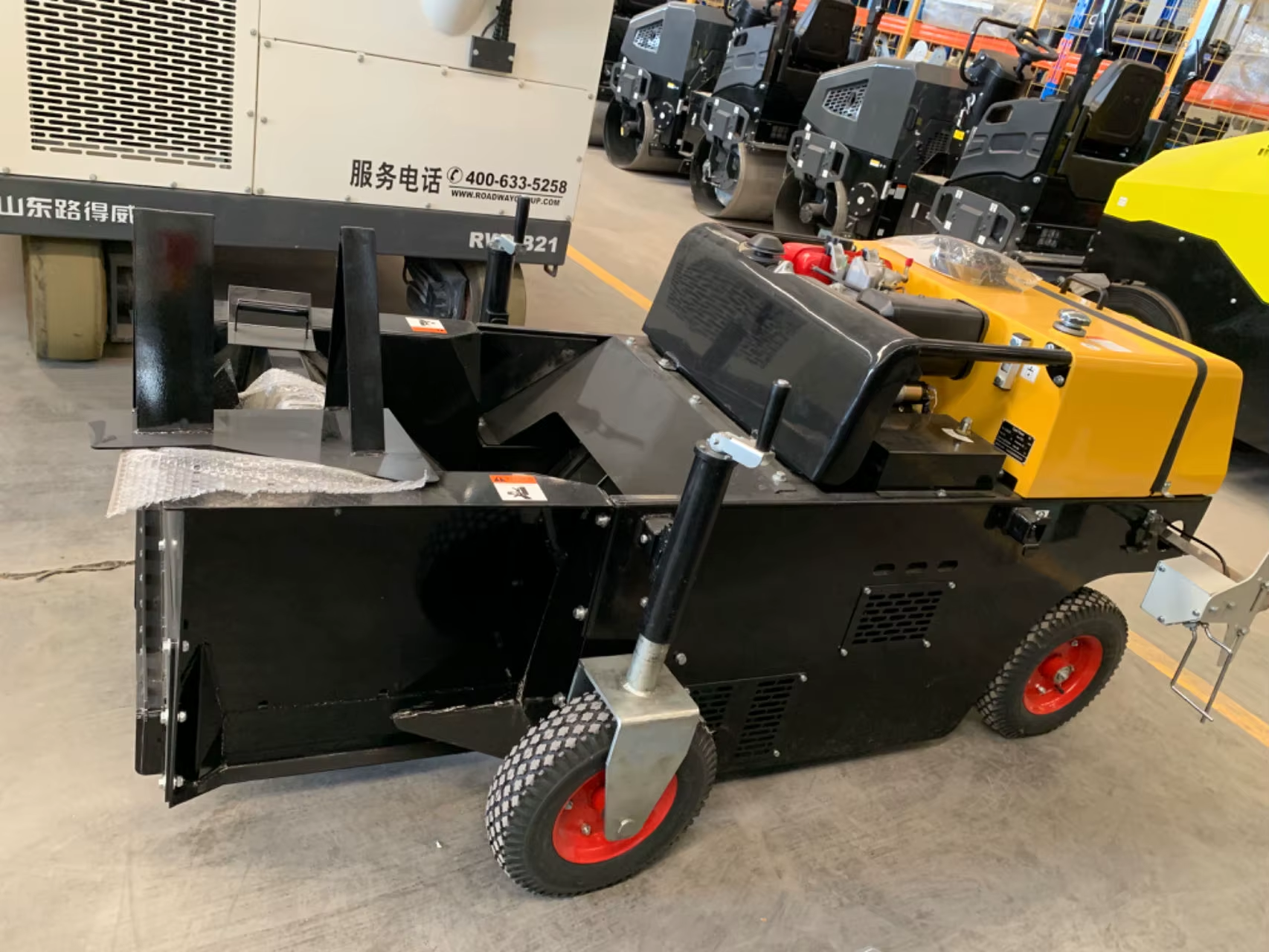
Laser Screed Performance at Scale: Speed, Accuracy, and Real-World Output
Single-Pass Efficiency: 6000mm Arm Covers Up to 18m²/Min with ±1.2mm Flatness (FF 75)
Laser screed tech has really changed how big concrete jobs get done, especially with those telescopic boom systems. Take the 6000mm arm setup for instance. It covers a massive area, processing around 18 square meters of floor space every single minute. And here's the kicker it keeps things level within just 1.2mm up or down. That kind of precision hits the FF 75 standard which is basically what everyone wants for those tall warehouse spaces and distribution hubs these days. The machines also have smart vibration control that stops the mix from separating when moving fast, so the finished slabs stay dense and uniform throughout. Contractors love this stuff because they don't need to go over the same spot multiple times anymore. Labor costs drop about two thirds compared to old school methods. For a typical 10,000 square meter job, that means saving roughly eighteen grand according to industry figures from last year.
Laser Guidance + Adaptive Hydraulics Cut Re-Work by 42% in Large-Slab Projects
When laser guidance systems work together with hydraulic adjustments that happen in real time, they really change how accurate industrial concrete leveling can be. The equipment has two sensors that keep checking what's going on beneath the surface, making automatic fixes when there are height differences during pouring operations. According to the Construction Efficiency Report 2023, these kinds of systems cut down on surface problems by around three quarters, which means about 42% fewer times workers have to fix things after pouring slabs larger than 5,000 square meters. What makes this technology so valuable? For starters, it gets rid of those annoying stops where someone has to check grades manually. Plus, the concrete gets compacted evenly along all the joints, and measurements stay within fractions of a millimeter even across distances as long as 100 meters. Real world projects show jobs get done roughly 34% quicker compared to old school methods, plus there's less wasted material because corrections aren't needed as often. These systems regularly beat FF/FL standards required for important buildings and infrastructure.
Structural Integrity of the 6000mm Laser Screed: Engineering for Long-Term Reliability
Fatigue Resistance: Dual-Plane Stress Analysis and ISO 5817 Class B Weld Certification
Laser screeds with extended arms face serious stress when working on big surfaces. Engineers use dual plane stress analysis to simulate how these machines actually perform in the field, looking at forces from both top to bottom and side to side. This helps spot where parts might fail first, particularly around the connection point between the 6 meter arm and main body of the machine before any metal gets cut. By figuring out where most strain occurs, manufacturers can reinforce those areas properly. Another important factor is getting ISO 5817 Class B weld certification for all critical joints. These certified welds hold up much better over time compared to regular ones. Studies indicate they maintain about 95 percent strength after thousands of stress cycles, which beats out standard welds that only keep 80 to 85 percent strength. What's really impressive is that these quality welds stop tiny cracks from forming, something that causes nearly half of all early equipment breakdowns according to a recent report in Industrial Machinery Journal. Machines built this way last roughly 30 percent longer while maintaining consistent performance levels throughout their service life in industrial flooring projects.
Key advantages:
- Eliminates stress concentration zones through topology optimization
- Reduces weld failure risk by 15% compared to standard techniques
- Ensures consistent performance in high-precision concrete screeding machines through 100,000+ operational cycles
This engineering rigor minimizes downtime and repair costs—critical for contractors prioritizing lifetime value over initial investment.
Telescopic Boom Stability: Mitigating Vibration and Deflection in Extended-Arm Laser Screeding
Harmonic Vibration Control: Active Counterbalance Systems Reduce Deflection to <0.3mm
Laser screeding equipment with extended reach encounters some serious stability issues. The problem comes from those annoying harmonic vibrations created when placing concrete and moving the boom around, which just makes everything deflect more than it should. That's bad news for getting a flat surface and consistent finish. Modern telescopic systems tackle these problems through three main approaches. First off, there's real time analysis of those pesky harmonics that can detect frequencies all the way up to 150 Hz. Then we have electro hydraulic counterweights that adjust their weight distribution automatically in about half a second. And finally, there are these dual axis stabilizers that basically hold up the boom joints against twisting forces. All together, these technologies keep deflection down to less than 0.3 mm, which is actually quite impressive considering the standard tolerance requirement is 0.5 mm for most industrial flooring jobs. What does this mean practically? Well, contractors can achieve FF/FL ratings above 50 even when working at maximum 6 meter extensions. Plus, there's less need to constantly retool the equipment and overall downtime drops by roughly 19% compared to older passive stabilization methods.
Integrated Laser Screed Workflow for Industrial Floor Excellence
Getting industrial flooring right requires careful coordination throughout every stage from start to finish, ensuring both solid structure and flawless surfaces. The new laser screed system brings together concrete placement, leveling, and finishing in one smooth process that cuts down on manual work and fixes those annoying measurement issues between different phases. Projects using this method typically take around 40 percent less time than old school approaches, all while keeping floor levels within about 1.5 millimeters across massive warehouse areas. At the heart of it is the high precision screeding machine guided by lasers, which lets crews make instant corrections as they pour concrete. Many contractors have noticed their teams shrink by roughly 30 people per job site when they switch to this streamlined approach, so experienced workers can focus on important stuff like cutting joints and watching over the curing process. When there's no need to pass work back and forth between grading crews, pourers, and finishers, factories regularly hit FF/FL scores above 80 with consistent surface quality. This meets the weight requirements right away and stands up to years of wear from heavy machinery too.
FAQ
What is laser screed technology?
Laser screed technology is a concrete leveling technology that uses lasers to guide the screeding process, ensuring consistent flatness and smoothness across large areas. These machines often come with extended arms and advanced systems for precise leveling.
How does laser screed technology help in reducing labor costs?
By using laser screed machines, contractors significantly reduce the need for manual work. This technology allows covering larger areas faster and with precision, eliminating the need for multiple passes and manual corrections, thereby minimizing labor costs.
What standards do the laser screed machines typically meet?
The machines meet high precision standards like FF 75 for flatness and can often exceed FF/FL requirements essential for industrial flooring projects, ensuring that the surfaces are fit for heavy machinery and infrastructure use.
What are the benefits of using modern telescopic boom systems?
Modern telescopic boom systems provide stability and reduced deflection during concrete placing. They use technologies like harmonic vibration control and active counterbalance systems to maintain surface evenness, which is critical for achieving high flatness standards.
Table of Contents
- Laser Screed Performance at Scale: Speed, Accuracy, and Real-World Output
- Structural Integrity of the 6000mm Laser Screed: Engineering for Long-Term Reliability
- Telescopic Boom Stability: Mitigating Vibration and Deflection in Extended-Arm Laser Screeding
- Integrated Laser Screed Workflow for Industrial Floor Excellence
- FAQ