
 EN
EN
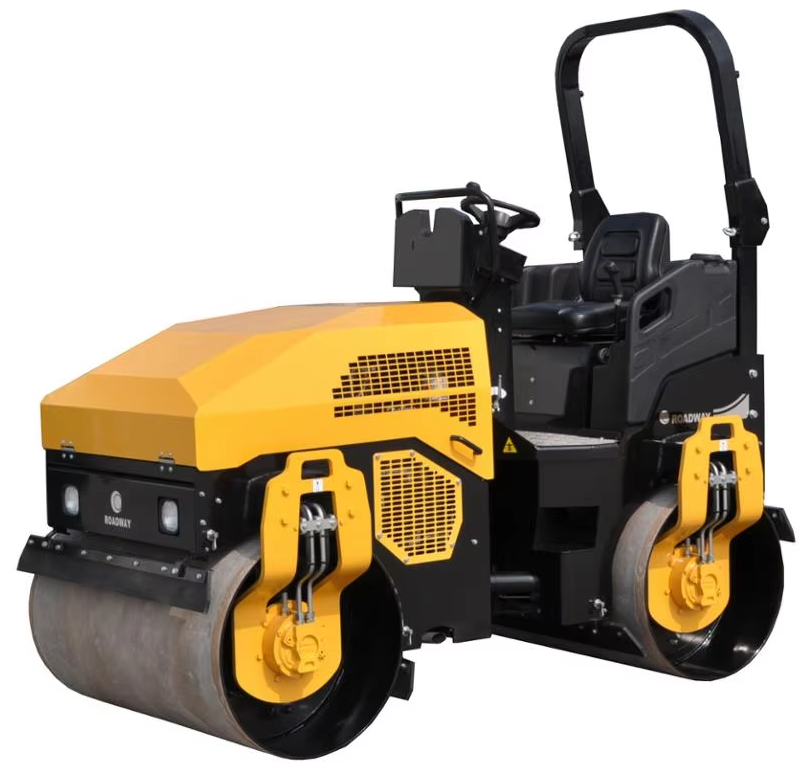
Daily and Weekly Preventive Maintenance for Reliable Pothole Patcher Operation
Pre-Operation Checks to Avoid Unexpected Downtime
Conduct these systematic inspections before daily operation to prevent costly failures:
- Verify hydraulic fluid and coolant levels meet manufacturer specifications
- Test all safety interlocks, emergency stops, and warning lights
- Inspect tires for pressure consistency and visible damage
- Examine hydraulic hoses for abrasions or leaks
- Confirm control panel functions respond accurately to commands
Operators who perform comprehensive pre-checks reduce unplanned downtime by 37%, per a 2022 equipment reliability study. Always document findings using standardized checklists to track component degradation trends.
Lubrication Schedule and Critical Fastener Torque Verification
Implement weekly maintenance protocols to combat vibration-induced wear:
- Grease pivot points and bearings using high-temperature lithium-complex grease
- Inspect auger shafts and conveyor rollers for inadequate lubrication
- Verify torque on mounting bolts and structural fasteners
- Check swing arms and hinge mechanisms for smooth operation
| Component | Frequency | Torque Specification |
|---|---|---|
| Hopper Mount Bolts | Weekly | 90–110 ft-lb |
| Conveyor Frame | Weekly | 75–85 ft-lb |
| Pump Couplings | Weekly | 50–60 ft-lb |
Consistent lubrication prevents 68% of premature bearing failures, according to industrial maintenance data. Use calibrated torque wrenches to maintain structural integrity under vibration stress.
Inspecting and Replacing High-Wear Components in Your Pothole Patcher
Augers, Nozzles, and Conveyor Belts: Signs of Wear and Replacement Timing
Checking those parts that get worn down regularly can save a lot of money when things break down right in the middle of important patching work. Look closely at auger flights for any bends, build-up of material, or strange vibrations. When the wear gets past about a quarter of the original thickness, it's time to swap them out. Weekly checks on nozzles are essential too. Watch for erosion around the openings and weird spray patterns. Most folks replace them once a year anyway, or sooner if the asphalt isn't applying evenly anymore. Conveyor belts tell their own story through frayed edges, cracks forming, or slipping when moving materials. Replace them when they've thinned beyond what the manufacturer says is acceptable or when cracks start showing up bigger than 2mm. Keep track of how long different parts last with proper maintenance records. Augers usually stick around between 300 to 500 operating hours, whereas nozzles tend to need replacing after about 200 cycles as performance starts to drop off. Getting ahead of replacements based on these numbers keeps equipment running smoothly. The Ponemon Institute found that unplanned downtime from neglect costs road crews around $740,000 each year just in lost productivity alone.
- Auger failure signs: Bent flights, vibration spikes, material jams
- Nozzle wear indicators: Clogged orifices, asymmetric spray, flow reduction
- Belt replacement triggers: Visible cracks 2 mm, 5% thickness loss, frequent slippage
Troubleshooting Common Pothole Patcher System Failures
Managing Asphalt Residue Buildup in Tanks and Dispensing Lines
Asphalt residue accumulation in storage tanks and dispensing lines is a primary cause of unplanned pothole patcher downtime. When residue hardens, it restricts material flow and reduces application accuracy, increasing asphalt waste by up to 22% annually. Best practices include:
- Flushing tanks daily with specialized solvent solutions
- Inspecting spray nozzles bi-weekly for obstructions
- Using tank scrapers after every 8 operational hours
Preventive cleaning routines can reduce repair incidents by 75%, per 2021 industry maintenance data. Ignoring buildup risks permanent damage to heating elements and pumps.
Identifying and Resolving Hydraulic Leaks in High-Pressure Circuits
Hydraulic leaks often originate from valve fatigue or degraded seals—single leaks cost over $740 annually in fluid replacement (Ponemon 2023). Early detection involves:
- Monitoring pressure gauges for unexpected drops
- Checking for oil sheens around fittings
- Using ultraviolet dye in hydraulic fluid
Conduct bi-monthly pressure tests at 3,000 PSI to pinpoint micro-leaks. Replace O-rings proactively every 500 operational hours, as seal degradation causes 68% of circuit failures.
Maximizing Heating System Performance for Long-Term Pothole Patcher Longevity
Burner Calibration and Thermal Sensor Maintenance for Consistent Mix Temperatures
Getting burners properly calibrated makes all the difference when it comes to combustion efficiency, which affects how consistent the asphalt mix ends up being. Checking those flame patterns regularly along with fuel air ratios helps keep temperatures stable so materials don't get compromised. Systems that aren't calibrated right can actually waste around 15% more fuel and wear out components faster than they should. Thermal sensors need checking every three months against proper reference equipment because if these sensors start drifting, they give wrong readings that result in either too cold or way too hot mixes. Don't forget to clean those optical lenses at least once a month with what the manufacturer recommends since dirt builds up there and messes with infrared measurements. When working with areas where things wear down fast like combustion chambers, running thermal imaging while everything's operational is smart practice. Look out for any spots hotter than about 650 degrees Fahrenheit (which is roughly 343 Celsius) as this tends to signal trouble ahead. Keep track of when calibrations happen and note down sensor readings in maintenance records so we have some kind of baseline to work from. Taking this kind of careful approach typically adds between 3 to maybe 5 extra years onto heating system life spans, plus keeps operations within that sweet spot range of 300 to 325 degrees Fahrenheit (around 149 to 163 Celsius) where material stays just viscous enough.
FAQ
What are the first steps in conducting a pre-operation check for a pothole patcher?
The initial steps include verifying hydraulic fluid and coolant levels, testing safety interlocks, inspecting tires, examining hydraulic hoses, and confirming control panel responses.
How often should lubrication schedules be performed?
Lubrication schedules are typically performed weekly. Greasing pivot points, inspecting conveyor rollers, and verifying torque on fasteners are key activities.
When should augers and nozzles be replaced?
Augers should be replaced when wear exceeds a quarter of the thickness. Nozzles usually require replacement once a year or if uneven asphalt application is noticed.
What causes hydraulic leaks in pothole patchers and how can they be detected?
Hydraulic leaks often result from valve fatigue or seal degradation. Early detection involves monitoring pressure gauges, checking for oil sheens, and conducting regular pressure tests.
How can asphalt residue buildup be managed?
Asphalt residue can be managed by flushing tanks with solvent solutions daily, inspecting spray nozzles for obstructions bi-weekly, and using tank scrapers every 8 operational hours.
Table of Contents
- Daily and Weekly Preventive Maintenance for Reliable Pothole Patcher Operation
- Inspecting and Replacing High-Wear Components in Your Pothole Patcher
- Troubleshooting Common Pothole Patcher System Failures
- Maximizing Heating System Performance for Long-Term Pothole Patcher Longevity
-
FAQ
- What are the first steps in conducting a pre-operation check for a pothole patcher?
- How often should lubrication schedules be performed?
- When should augers and nozzles be replaced?
- What causes hydraulic leaks in pothole patchers and how can they be detected?
- How can asphalt residue buildup be managed?