
 EN
EN
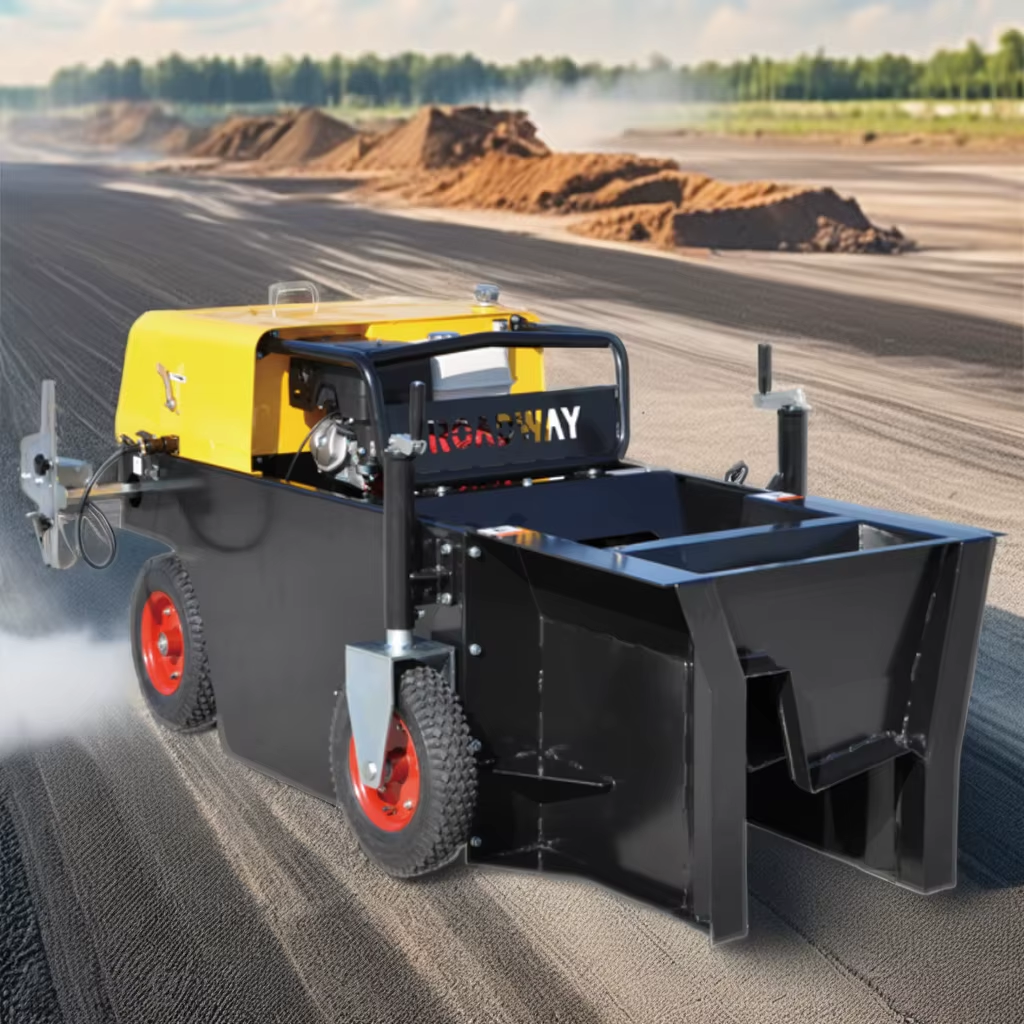
How Pothole Patchers Improve Repair Quality and Longevity
Enhanced compaction, adhesion, and temperature control in modern pothole patchers
Today's pothole patching machines beat old school manual techniques thanks to some pretty impressive tech upgrades. Let's start with how they compact the material. The best ones use either air pressure or hydraulics to pack everything down tight, hitting around 95 to nearly 98 percent density which is actually comparable to what we see in brand new roads. Manual tamping just can't reach those numbers, usually stopping somewhere around 88% at best. Then there are those built-in sprayers that apply special chemical solutions before adding the asphalt mix. This creates much stronger bonds between layers, making repairs stick about 40% better than when someone just dumps raw asphalt into a hole without any preparation work. And let's not forget about temperature control features that keep the asphalt mixture within the sweet spot range of 140 to 160 degrees Celsius for hot mixes. Without proper heat management, patches tend to cure too quickly and fail sooner than expected. According to studies done by road experts, all these improvements have cut down on repeat fixes over two years from roughly 45% down to less than 12%.
Durability comparison: hand patching vs. mechanized pothole patcher systems
Pothole repair done by machines tends to last much longer compared to fixing them by hand. When workers patch roads manually, they run into problems like uneven packing of materials, weak edges around the patch, and mixing different materials together - these issues cause about 60 percent of all hand repairs to fail within just 18 months according to studies. The newer mechanical systems work differently though. They place materials exactly where needed and apply just the right amount of pressure during compaction. This creates patches that are dense throughout and blend well with surrounding road surfaces. Road maintenance crews have seen this firsthand in their daily operations.
| Repair Method | Avg. Lifespan | Failure Rate (18 mo) | Cost per 100 repairs* |
|---|---|---|---|
| Hand patching | 8–14 months | 57% | $18,200 |
| Mechanized patcher | 2–4 years | 11% | $24,500 |
*Based on 2023 municipal maintenance reports
This durability translates to 40–60% lifecycle cost savings despite higher initial equipment investment, as reconstruction cycles extend from biannual to quadrennial.
The Critical Role of Timeliness: How Pothole Patchers Prevent Cascading Damage
The 30-day repair window and its impact on secondary deterioration risk
When water gets into those little cracks in pavement, it really speeds up how fast the road falls apart. Studies show that if potholes go unfixed for over a month, they cause major problems down below. The base material starts eroding at around three times the normal rate, and fixing these issues later on ends up costing about five times more than just doing it right away. Newer patching equipment helps fight this problem because it can fix roads quickly throughout the year, even when temps drop below freezing point. These fixes seal up cracks before rainwater gets deep enough to mess with what's underneath. Getting to these issues sooner saves road departments roughly seven hundred forty thousand dollars each year for every hundred miles of roadway, plus makes driving safer as surfaces don't break apart so suddenly.
Mapping the crack-to-crater progression and where pothole patchers intervene
Pavement failure follows a predictable sequence:
| Stage | Damage Type | Intervention Window | Mechanized Patcher Advantage |
|---|---|---|---|
| 1 | Micro-cracks (<1mm) | 0–3 months | Infrared heating reactivates binder for seamless sealing |
| 2 | Spider cracks | 1–6 months | Precision spray injection fills fractures completely |
| 3 | Crater formation | 6 months | High-pressure cleaning and graded aggregate placement restore structural integrity |
Conventional hand-patching misses early-stage interventions, allowing 78% of cracks to progress to craters. Pothole patchers disrupt this cycle through targeted, material-specific repairs during Stages 1–2, extending pavement lifespan by 40–60% according to lifecycle analyses.
Quantifying Road Lifespan Extension and ROI from Professional Pothole Patchers
Case study: Austin’s pavement management program — 22% fewer resurfacing cycles
When Austin started using those automated pothole fixers, things changed pretty dramatically for their roads. Looking at data over five years shows something interesting: there were about 22% fewer times when streets needed complete resurfacing compared to when workers did it manually. Why? Well, these machines pack materials better and keep temperatures just right during repairs, so the patches actually stick around longer without falling apart. Drivers noticed too since the same spots didn't develop new holes again after being fixed. Roads lasted anywhere between three to five extra years on average, and guess what? The city saved money too, knocking down yearly maintenance costs by nearly 20%. What we're seeing here is basically a shift from constantly putting out fires whenever a pothole appears to actually taking care of roads before problems start happening in the first place.
Cost-benefit analysis: higher upfront pothole patcher investment vs. 40–60% longer repair lifespan
While initial equipment costs run 50–70% higher than manual crews, repairs last 40–60% longer—delivering 3–5 years of service versus 12–18 months for traditional methods. This durability generates substantial ROI:
| Investment Factor | Manual Repair | Mechanized Pothole Patcher |
|---|---|---|
| Avg. repair lifespan | 1.5 years | 3–5 years |
| 10-year repair frequency | 6–7 cycles | 2–3 cycles |
| Lifetime cost per pothole | $420 | $180 |
Municipalities recoup equipment investments within 2–4 years through reduced material and labor expenses. Longer-lasting repairs also minimize traffic disruptions and secondary road damage, compounding savings over a pavement's lifecycle.
FAQs
Q: Why are mechanized pothole patchers more effective than manual methods?
A: Mechanized pothole patchers provide better compaction, adhesion, and temperature control, resulting in longer-lasting repairs. They also allow for timely intervention before significant damage worsens, which is often missed by manual methods.
Q: What is the cost-benefit of using mechanized pothole patchers over manual repairs?
A: Though the initial equipment cost for mechanized patchers is higher, they offer 40-60% longer repair lifespan, leading to fewer repairs over time and overall cost savings, effectively recouping equipment investments within 2-4 years.
Q: How do mechanized patchers contribute to road safety?
A: Quick and durable repairs prevent road deterioration and reduce the risk of potholes turning into craters, ensuring safer driving conditions and reducing traffic disruptions.