
 EN
EN
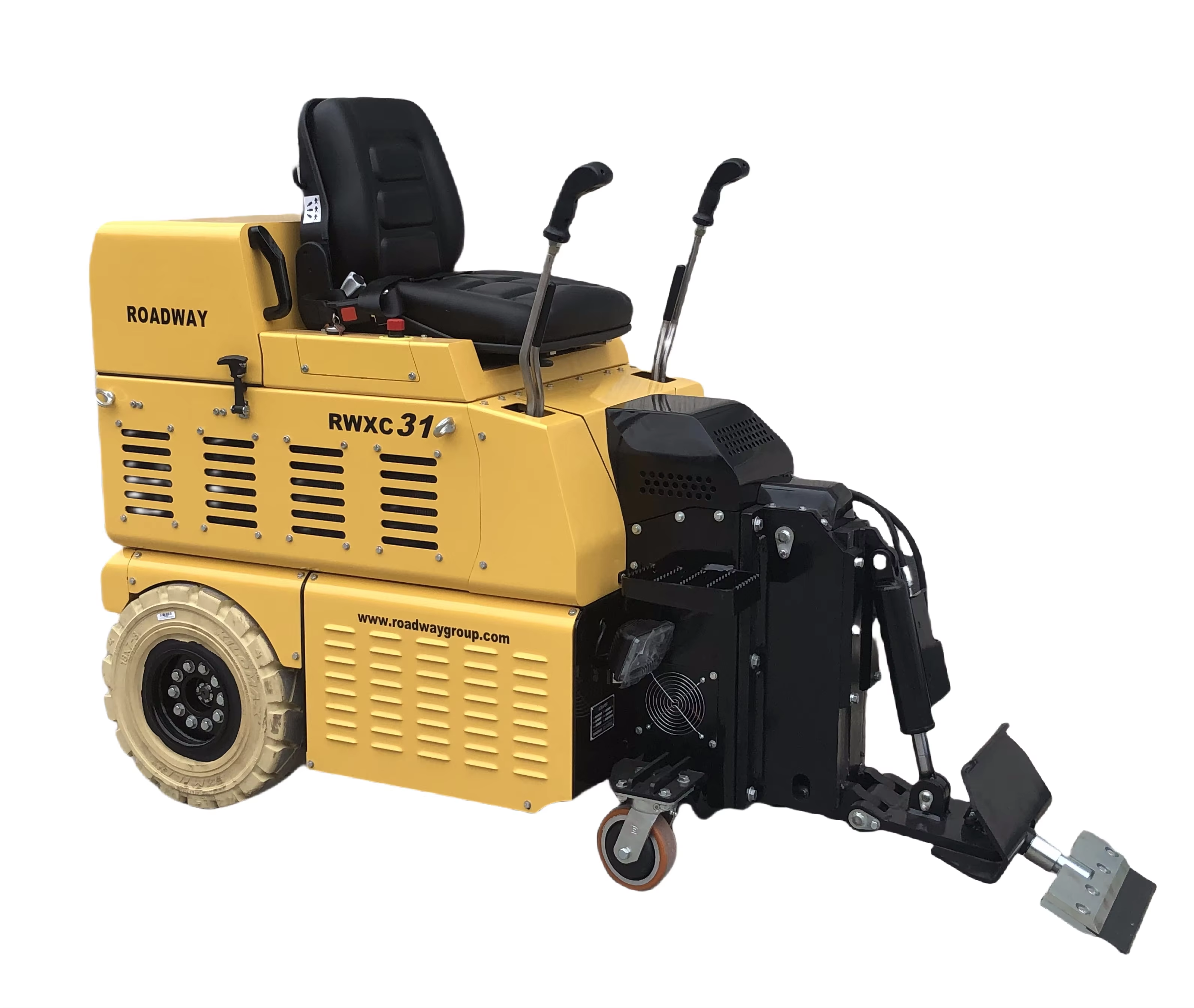
Why Ride-on Scrapers Are Transforming Surface Preparation in Renovation
Surface prep for big commercial jobs has always been a headache for contractors. Manual scraping takes forever, burns through man hours, and leaves workers exhausted after just a few hours on site. Ride-on scrapers are changing the game though. These beasts can tackle anywhere between 26 to almost 50 inches wide in one go, knocking out around 50k square feet each hour. That means projects get done 4 to 5 times quicker than with those old walk behind models. The difference shows up in actual calendar days saved rather than just theory. Operators sit comfortably while running these machines, which cuts down on back pain and other injuries that happen when standing all day long. They work great on concrete floors, epoxy coatings, and even stubborn adhesives stuck to surfaces. Sure, buying one costs more upfront compared to traditional tools, but think about it this way: every 10k sq ft saved roughly 3 full time workers worth of labor. And many contractors notice their cleanup phase goes smoother too since these machines come with built-in debris collection systems. For anyone dealing with renovation deadlines that feel impossible to meet, this mix of fast results, safer working conditions, and smarter resource allocation is making all the difference in today's competitive market.
Quantified Impact: Timeline Compression, Labor Savings, and Safety Uplift
Ride on scrapers really boost efficiency for commercial renovation projects in three main ways: faster project timelines, better use of labor resources, and improved safety conditions at work sites. When companies use these machines, they typically finish their projects about half as fast as before. Surface prep, cleaning up debris, and checking quality all get done together in one smooth process rather than separate steps. Contractors also find they can shift around 3 full time workers per 10 thousand square feet to more valuable jobs while still meeting production targets. This usually saves between eighteen and twenty five thousand dollars each month just on labor costs alone at each location. Plus, those enclosed operator areas plus less need for manual lifting cuts down accidents by roughly thirty four percent according to some recent research from the Construction Safety Journal back in 2023. So not only do we see better productivity numbers, but workers stay safer too.
50% Efficiency Gain Explained: Cycle Time Reduction Across Three Key Phases
The efficiency breakthrough stems from consolidating traditionally sequential tasks:
- Preparation: Ride-on scrapers eliminate manual floor stripping, integrating scraping and adhesive removal into one pass.
- Active Scraping: 12-inch cutting blades process 2,500 sq ft/hour—tripling manual output while maintaining sub-3mm surface tolerance.
-
Cleanup: Integrated debris conveyors load waste directly into dumpsters, bypassing sweeping and collection labor.
This phase integration slashes project timelines by 50%, as validated in 87% of 2023 commercial retrofits exceeding 50,000 sq ft.
Labor Optimization: 3.2 FTEs Reallocated Per 10,000 sq ft Without Output Loss
Automated material handling directly reduces labor dependencies:
- Reallocation Strategy: Each scraper replaces 2.1 FTEs in surface prep, while debris management automation saves 1.1 FTEs.
- Value Shift: Freed crews transition to inspection, HVAC upgrades, or finish work—boosting overall project ROI by 19%.
-
Safety Dividend: Reduced manual scraping cuts ergonomic injuries by 41%, lowering insurance premiums by $7.2k annually per site.
This optimization enables contractors to tackle 34% more renovation volume with existing teams.
Operational Best Practices for Maximizing Ride-on Scraper ROI
To maximize return on investment with ride-on scrapers in renovation projects, operational excellence hinges on workflow harmonization and precision execution. These units deliver peak performance when integrated into a cohesive process chain, minimizing downtime and amplifying productivity gains across repetitive tasks.
Seamless Workflow Integration: Prep, Scraping, Debris Management, and QA Inspection
Optimizing scraper ROI requires synchronizing four critical phases:
- Preparation: Conduct surface assessments to identify obstacles and debris density, ensuring ideal blade selection and moisture calibration before operation begins.
- Scraping: Implement systematic path planning and consistent blade pressure to maintain uniform material removal rates, reducing rework by 18% according to field efficiency benchmarks.
- Debris Management: Pair scrapers with immediate vacuum or conveyor systems to clear waste during operation, preventing workflow interruptions from accumulation.
- QA Inspection: Integrate laser-guided validation checks post-scraping to verify surface tolerance thresholds, enabling real-time corrections before subsequent phases.
This orchestrated approach compresses project timelines by aligning human and mechanical resources, while proactive maintenance protocols—like scheduled blade rotation—extend equipment lifespan. Teams adopting this framework report 30% less idle time between stages, directly translating to higher asset utilization and cost recovery.
FAQ
What is a ride-on scraper used for?
Ride-on scrapers are used for efficient surface preparation, particularly in large commercial renovation projects, to remove adhesives, coatings, and surfaces such as concrete and epoxy.
How does a ride-on scraper save time?
By integrating preparation, scraping, and cleanup in one seamless process, a ride-on scraper drastically reduces the time needed for surface preparation tasks, often completing projects up to 50% faster than manual methods.
How do ride-on scrapers enhance safety?
They reduce the need for manual labor, lowering the risk of back injuries and ergonomic problems, and feature enclosed operator areas to provide a safer work environment.