

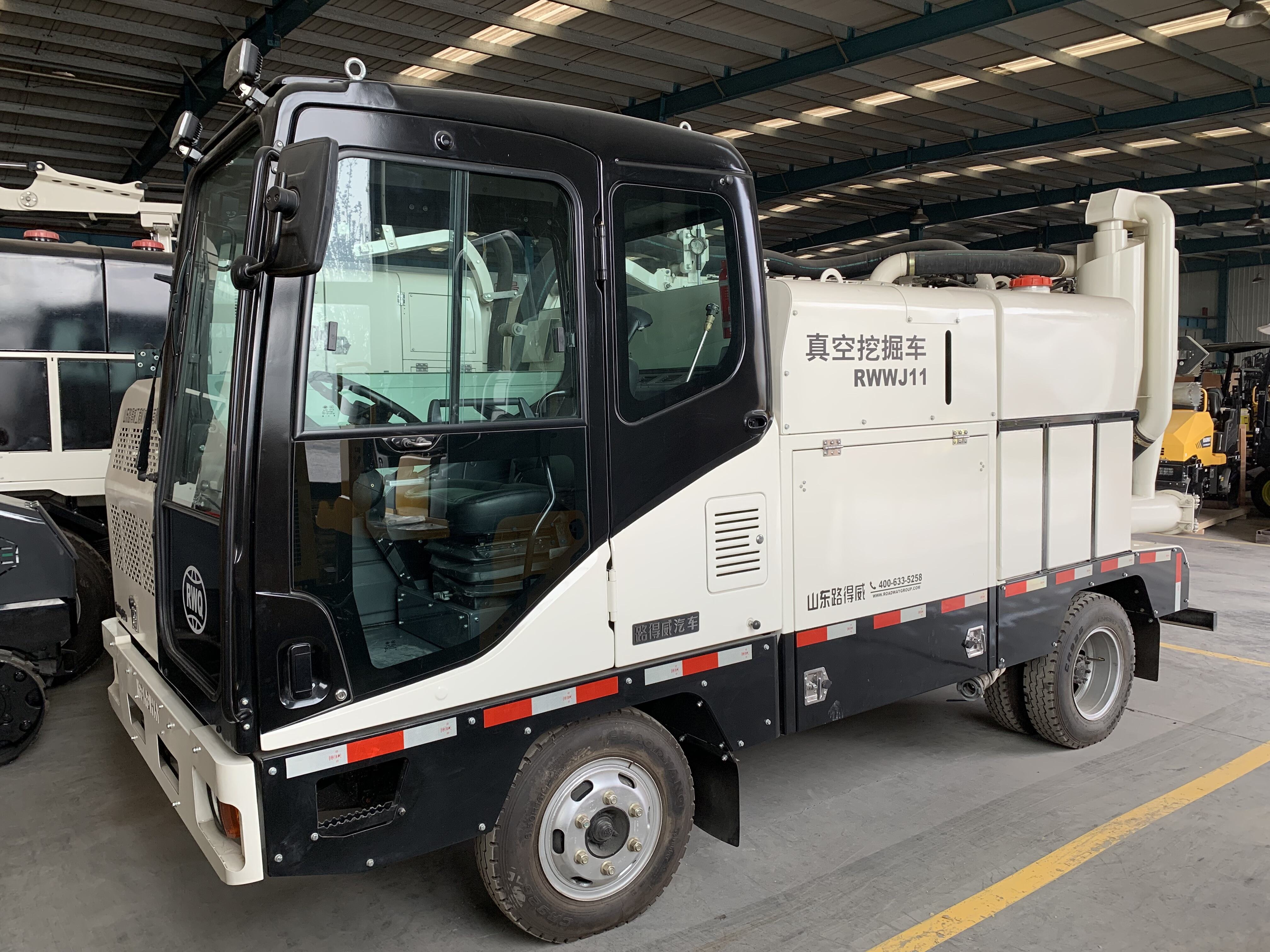


In today's safety- and efficiency-focused industrial landscape, the introduction of vacuum excavators (also known as hydrovacs or soft-digging equipment) has revolutionized traditional excavation methods. Their core significance lies in providing a groundbreaking solution to the most challenging and costly obstacles encountered in construction, utility, and municipal work. Unlike conventional mechanical excavation, vacuum excavators employ non-destructive digging (NDD) technology. By precisely fracturing soil with high-pressure water or air and immediately suctioning debris into storage tanks, they safely “expose” or “probe” underground utilities. This approach dramatically enhances jobsite safety by fundamentally preventing catastrophic accidents, hefty fines, and project delays caused by damaging critical infrastructure like natural gas pipelines and fiber optic cables. Moreover, its unmatched precision significantly boosts efficiency in probing, trenching, and clearing operations, typically requiring fewer workers and shorter timelines to complete projects while reducing labor and restoration costs. From both economic and environmental perspectives, vacuum excavators not only reduce insurance costs by minimizing accident risks, but the collected material can be recycled on-site for backfilling, reducing waste disposal and its environmental impact. As regulations in many regions begin to mandate or strongly recommend non-destructive excavation methods near known utilities, investing in a vacuum excavator is no longer optional—it has become essential for compliant operations, demonstrating professional capability, and securing critical contracts. In summary, the vacuum excavator transcends being merely an excavation tool; it is a critical asset in modern construction for risk management, operational efficiency enhancement, and securing future growth.
Copyright © Shandong Roadway Construction Machinery Manufacturing Co.,LTD - Privacy Policy