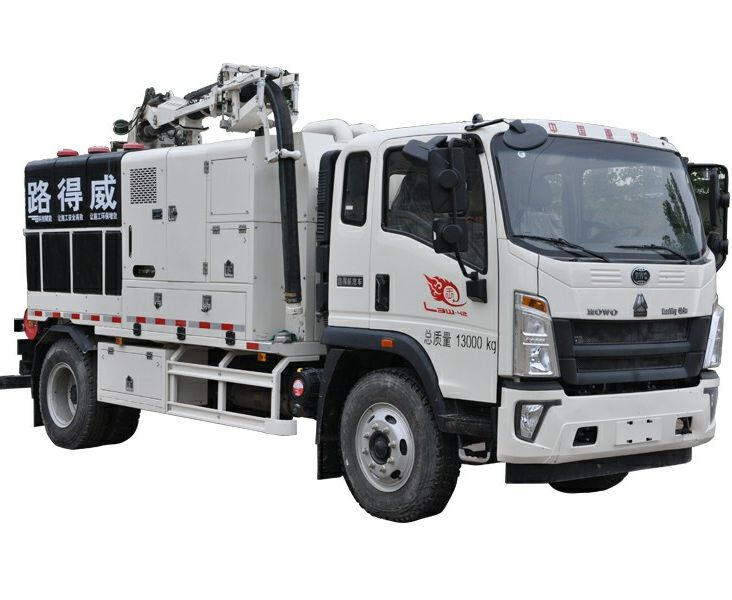
Vacuum excavators have become indispensable key equipment in modern underground construction and public utilities, their significance extending far beyond ordinary earthmoving. They represent a fundamental transformation in safety, efficiency, and infrastructure protection. This trenchless technology uses high-pressure air or water combined with a powerful vacuum suction system to precisely locate and expose underground pipelines, completely avoiding the catastrophic consequences that traditional mechanical excavation may cause.
The foremost value of vacuum excavators lies in dramatically enhancing jobsite safety. They effectively prevent accidents involving high-pressure gas lines, fiber optic cables, or electrical conduits, thereby averting service disruptions, environmental contamination, severe injuries, and even loss of life. Simultaneously, by enabling precise, visual location of underground utilities, they create safer working conditions for construction crews while minimizing risks to the public.
In terms of precision, vacuum excavators offer unparalleled technical advantages. As the core equipment for “utility line detection” and “safe excavation,” they can accurately confirm the location, depth, and type of underground pipelines through small, low-impact access holes prior to construction. This minimizes damage to surrounding landscapes, road surfaces, and structures while significantly reducing repair time and costs.
From a project economics perspective, vacuum excavators also demonstrate significant advantages. While the initial investment is higher, the return on investment is substantial—effectively avoiding substantial economic losses stemming from pipeline damage, such as repair costs, project delays, fines, and even legal litigation. Simultaneously, project teams can proceed with greater confidence, reducing time spent on cautious manual excavation, accelerating overall project progress, and enhancing work efficiency.
Furthermore, vacuum excavators have become a cornerstone of modern infrastructure maintenance and industry compliance practices. They are widely employed for the safe installation, inspection, and maintenance of complex underground networks—including water, electricity, gas, and data systems—and are legally supported and recommended under “Dig Before You Dig” (811) systems in many regions. Adopting vacuum excavation technology has emerged as a best practice demonstrating due diligence and regulatory compliance.

 EN
EN