![Trowel Use Guide: Pro Techniques for Flawless Finishing [2024]](https://shopcdnpro.grainajz.com/category/441837/3577/c1ac9783e7e02619f4eb18c55202563c/%E8%B7%AF%E5%BE%97%E5%A8%81LOGO-removebg-preview%281%29.png)
 EN
EN


Why Choose Us
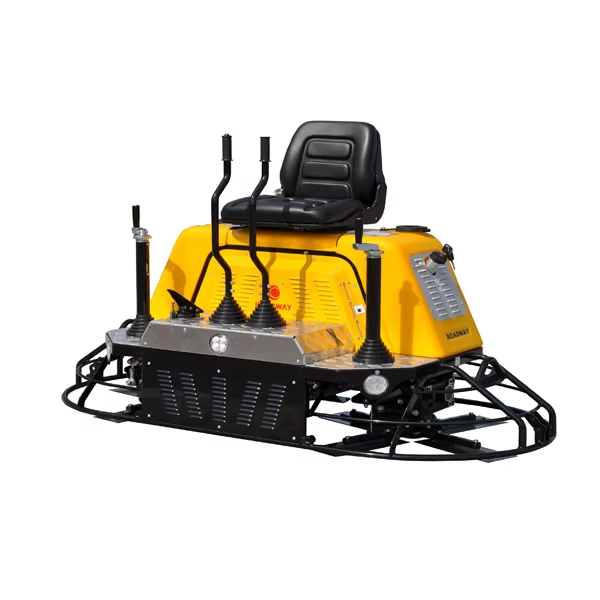
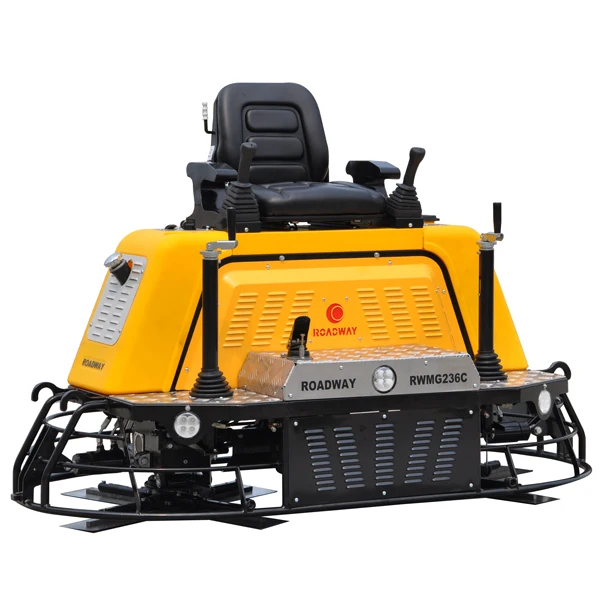
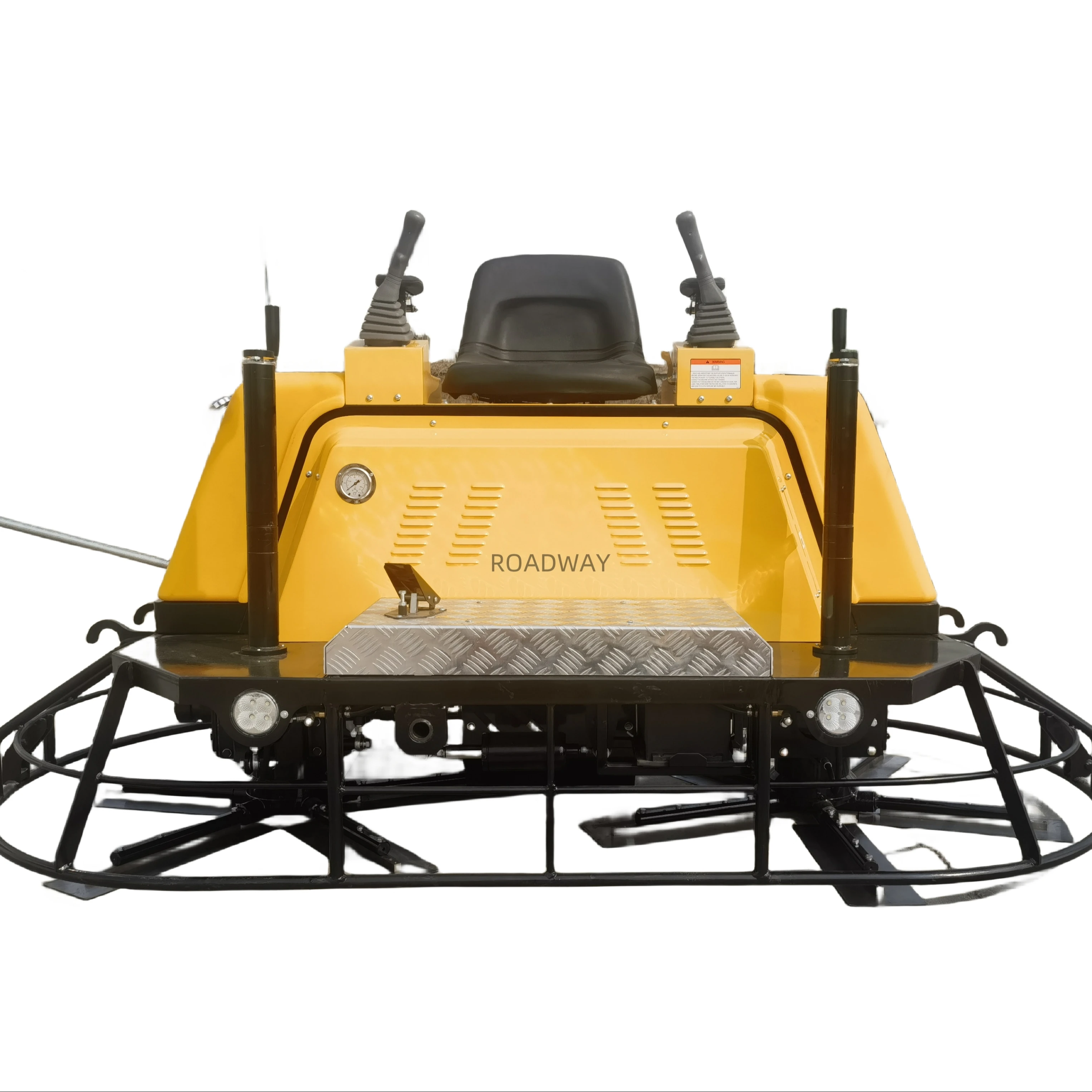
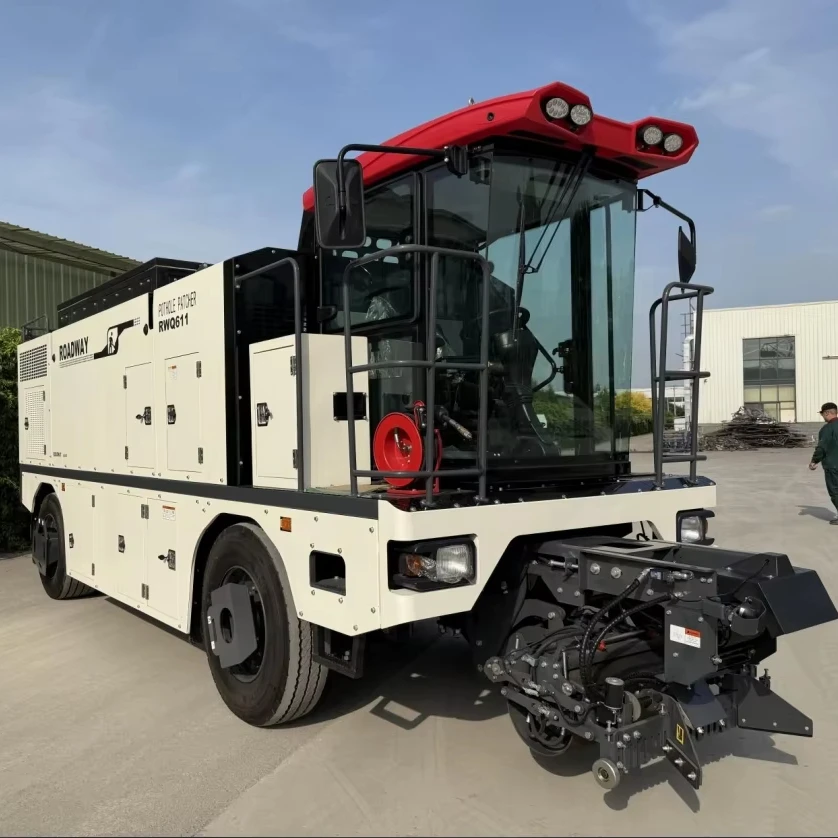
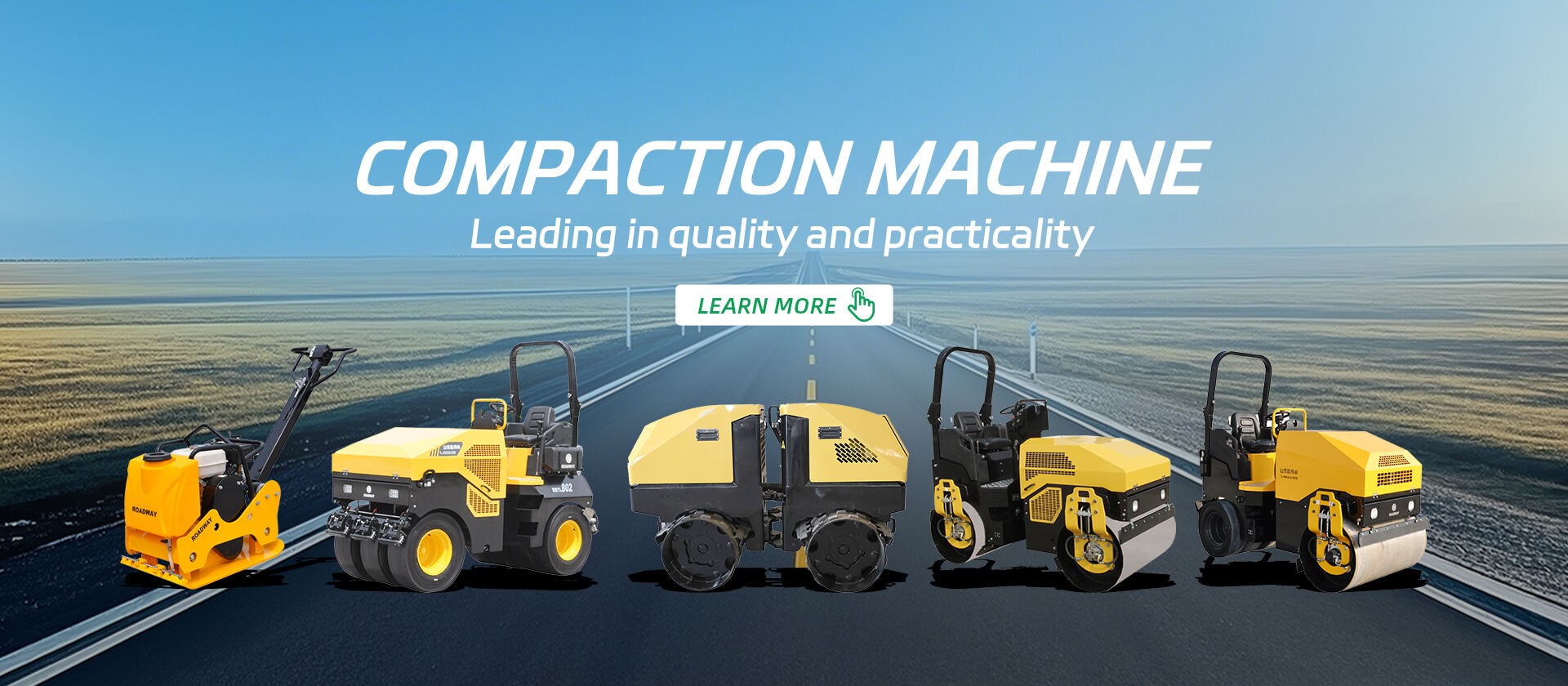
Shandong Roadway Construction Machinery Manufacturing Co . , Ltd. (The former name is Jining Roadway Machinery Manufacturing Co., Ltd.) s located in High-Technology Industrial Development Zone, Jining City, Shandong Province, China. The company covers 100,000m2. It is a scientific-oriented and modernization enterprise with the right of the import and export. The company is specialized in producing small and medium and special construction machinery used in the area of highway, railway, water conservancy, etc. The products are up to 40 types, 20 types of which have applied for national patent. The 40 products are divided into five categories, which are Compacting equipments, Concrete construction equipments, Canal construction equipments, Cutting and breaking equipments and Lighting equipments.