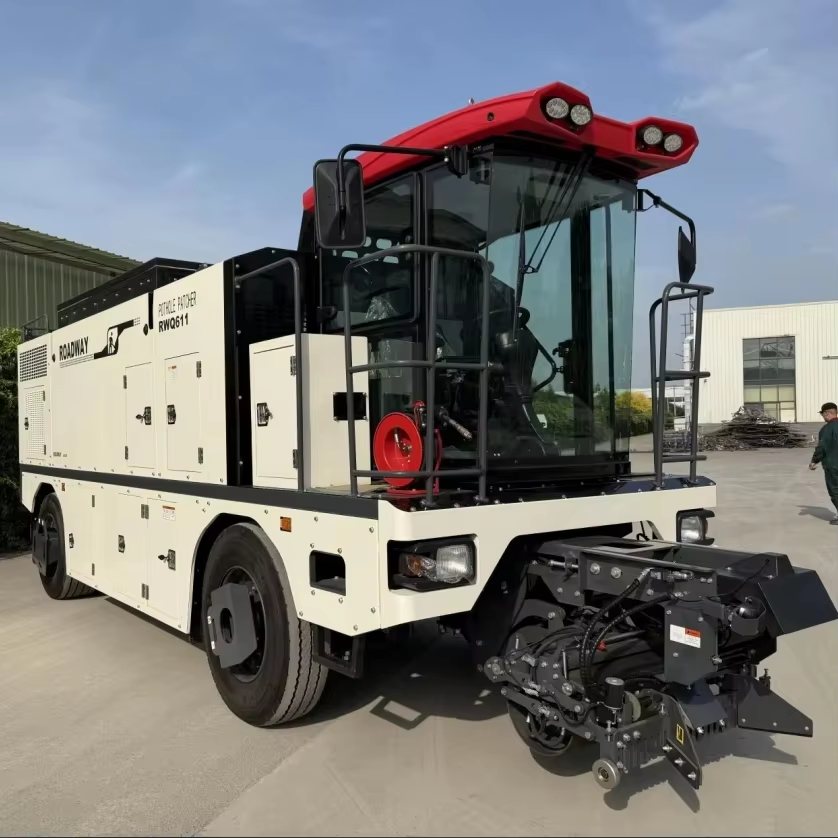
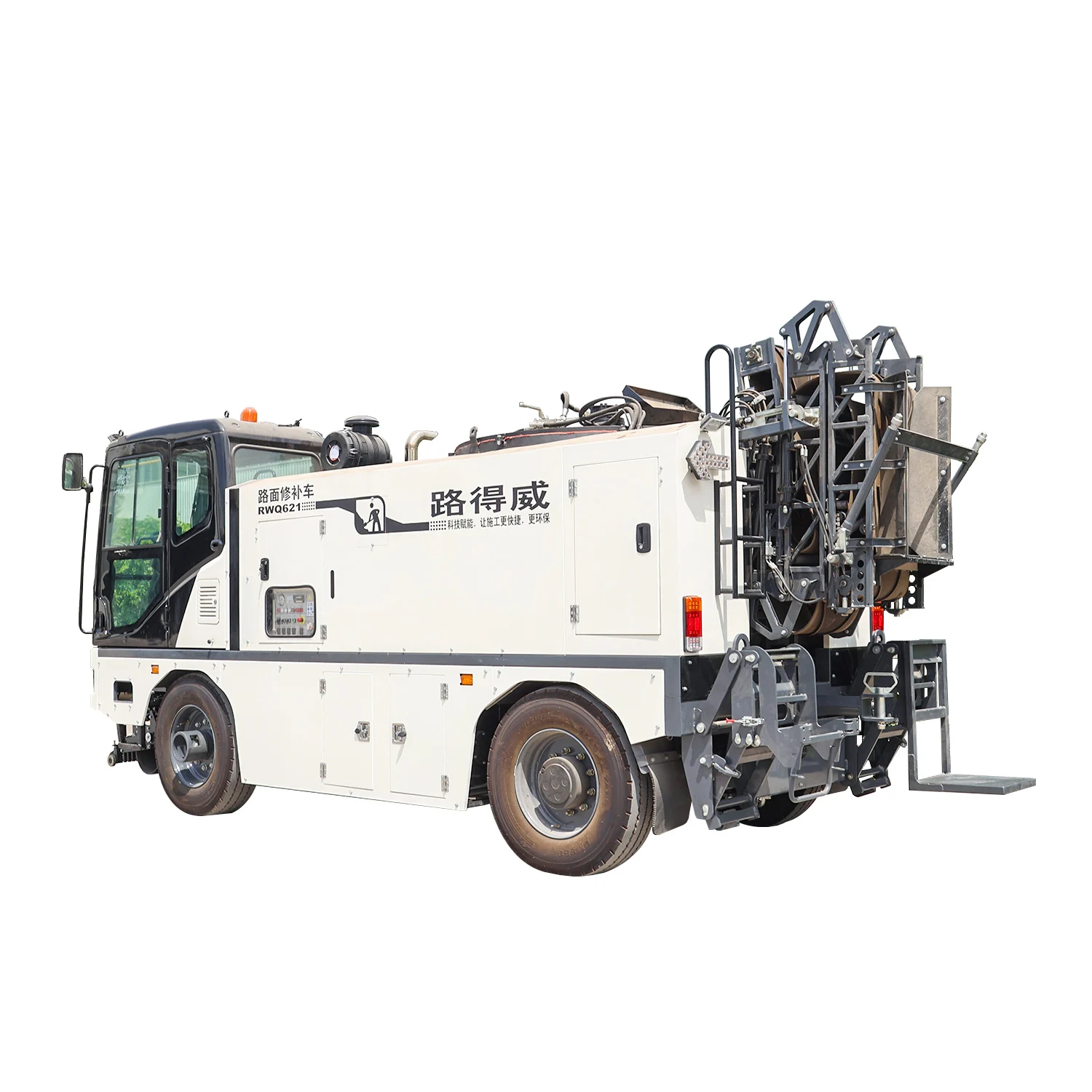
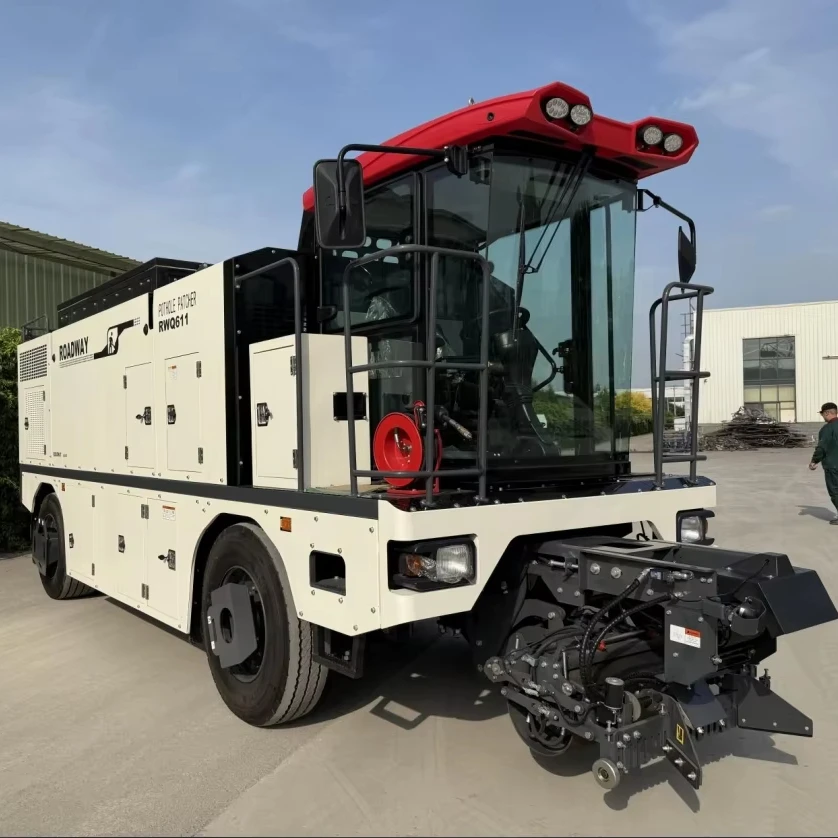
In the ongoing battle to maintain modern infrastructure, potholes are the number one enemy. Traditional repair methods are often slow, inefficient, and short-lived, leading to a vicious cycle of repeated damage and wasted resources. The core importance of modern pothole patchers lies in their ability to break this cycle, transforming a costly maintenance burden into an efficient strategic asset.
This investment is first and foremost an economic necessity, as it significantly reduces long-term costs. By utilizing engineered emulsified materials and precise technology, it creates permanent, adhesive repairs that are as durable as the surrounding pavement, thereby completely eliminating the issues associated with traditional “apply-and-go” cold patching methods, which often fail under traffic and weather conditions and require repeated applications. An unrepaired pothole accelerates the deterioration of the entire section of road, as water penetration erodes the base layer and causes edge fragmentation, leading to larger and more expensive issues in the future. Timely, permanent repairs protect the structural integrity of the road, avoiding exponentially increasing reconstruction costs in the future.
Second, it is a revolution in public safety, effectively protecting citizen safety and reducing liability risks. Potholes are a primary cause of vehicle damage (tire blowouts, wheel deformation) and hazardous road conditions. Rapid repairs directly reduce these public risks. Additionally, these machines are designed for efficiency, with many models featuring long-range hoses or arm operating systems, allowing a single operator to work within the safety of the cab, significantly reducing contact with traffic flow and minimizing the need for complex traffic control configurations.
From an operational efficiency perspective, it is a game-changing, highly responsive tool. A professional repair machine typically completes a permanent repair in two minutes, unaffected by rain, snow, or sunlight. This “instant” capability enables maintenance teams to respond immediately to reports, complete more daily work orders, and maximize the return on investment for both human resources and equipment. Its integrated design (emulsified asphalt tank, aggregate hopper, air system) means that only one truck and one operator are needed to complete work that traditionally required an entire crew and multiple pieces of equipment, representing a significant efficiency boost for departments facing budget and personnel constraints.
Finally, it is also a victory in terms of sustainability and community relations. Many pothole repair machines utilize recycled materials (RAP - Recycled Asphalt Pavement) and cold process technology, significantly reducing energy consumption compared to hot mix methods that require continuous heating and long-distance transportation. Meanwhile, citizens can observe well-maintained infrastructure, demonstrating a commitment to rapid, high-quality repairs, enhancing community perception, and proving that taxes are being used for efficient and effective purposes.
At its core, the pothole repair machine is more than just a piece of equipment; it represents a strategic shift—from passive, temporary repairs to proactive, permanent preventive maintenance of road surfaces. It is a smart, economical, and safe solution for safeguarding our infrastructure and the public it serves.

 EN
EN