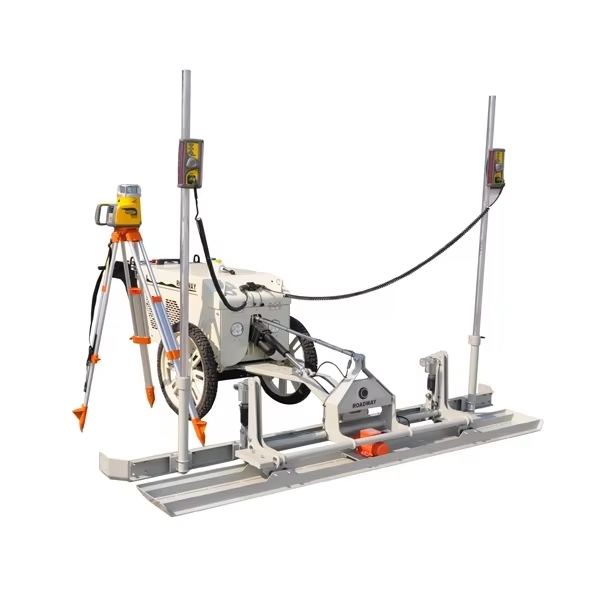
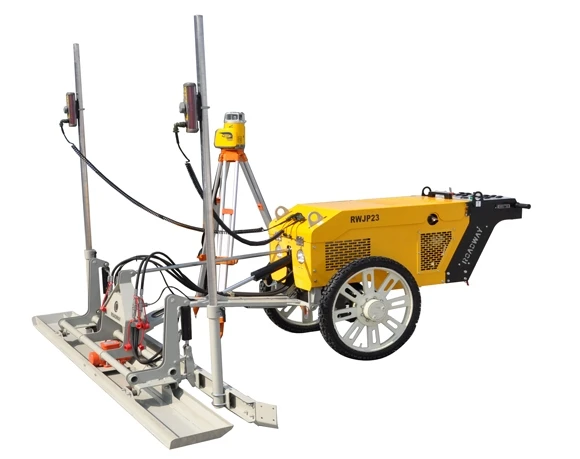
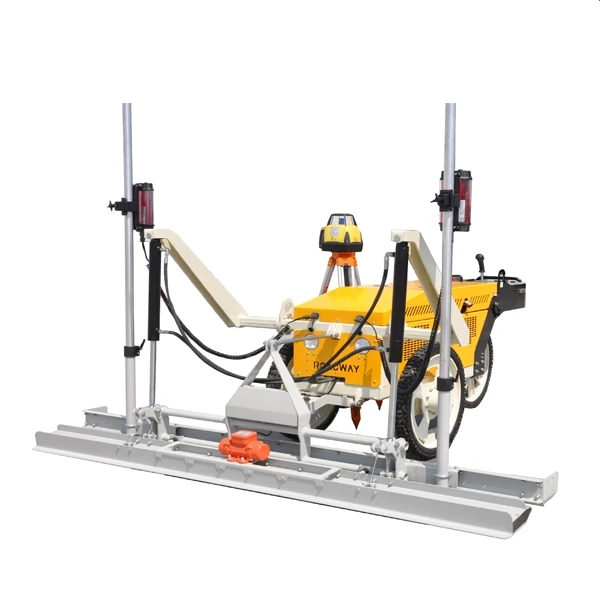
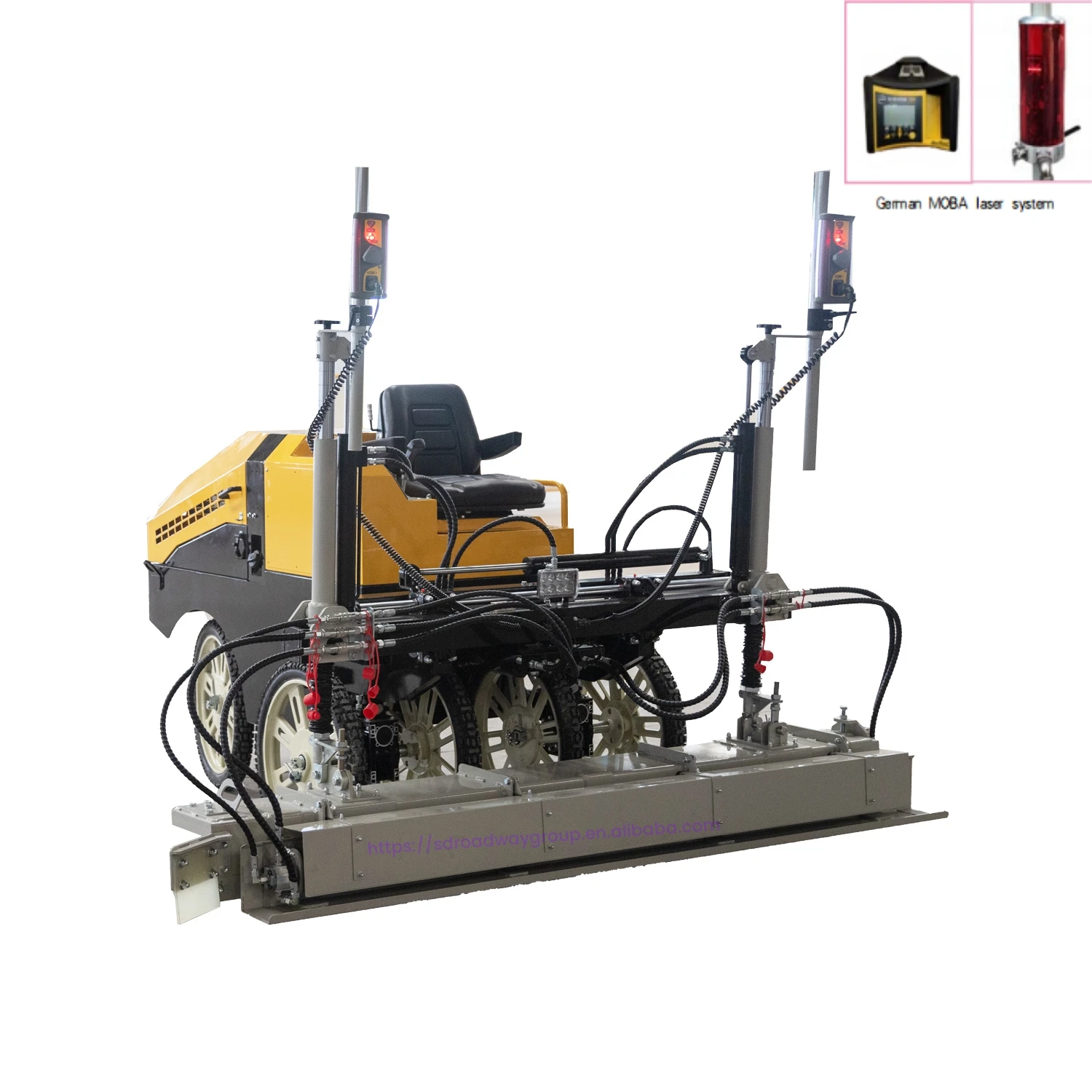
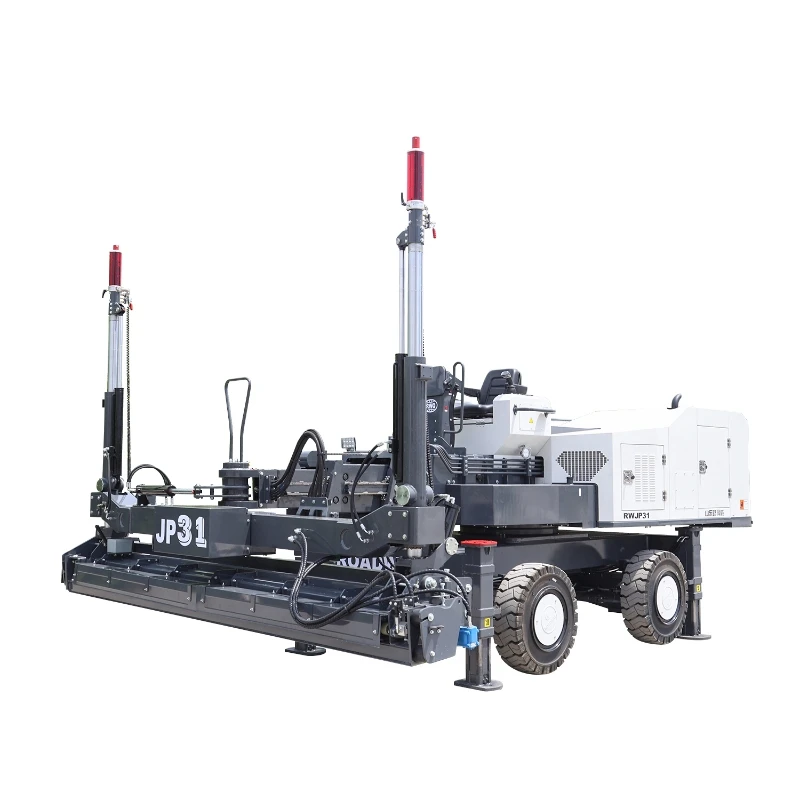
In today's commercial and industrial construction sector, the demand for concrete floors with ultra-high flatness, absolute levelness, and minimal tolerances has become an absolute standard. Traditional manual leveling methods not only consume substantial labor and progress slowly but are also highly susceptible to human error, leading to costly defects and project delays. It is against this backdrop that the concrete laser screed has emerged as a transformative technology, revolutionizing the modern process of laying and leveling concrete slabs.
Its core significance lies in its direct impact on the three pillars of project success: cost, schedule, and quality. First, in terms of quality, the equipment utilizes a rotating laser plane as an absolute reference. Its sensors and hydraulic systems automatically adjust the screed height, achieving unparalleled precision beyond manual capabilities. This produces surfaces with exceptionally high standards of flatness (FF) and levelness (FL), critical for supporting automated warehouse robots, high-lift forklifts, and precision manufacturing equipment. Second, in terms of schedule, its efficiency is revolutionary. A laser screed operates at speeds far exceeding those of large manual crews, significantly accelerating construction progress, reducing overtime costs, ensuring timely project delivery, and enabling earlier commencement of subsequent processes. This effectively compresses the project's critical path. Furthermore, it effectively alleviates the construction industry's skilled labor shortage by enabling more work with fewer personnel. By automating the most physically demanding tasks, it reduces worker fatigue and injury risks, thereby saving long-term labor costs and enhancing site safety. Moreover, its high-frequency vibration function optimizes concrete consolidation by expelling air pockets and ensuring uniform aggregate distribution, ultimately forming a denser, more durable, and longer-lasting high-performance slab.
In summary, laser-guided concrete finishing technology has evolved beyond being a specialized tool for niche projects. It has become the industry standard for large-scale flooring projects—from expansive distribution centers and manufacturing plants to high-end commercial spaces and parking facilities. Investing in this technology represents a strategic decision to guarantee final quality, control overall costs, and maintain core competitiveness in a fast-paced industry—not merely an equipment upgrade.

 EN
EN